Last Orders for Equipment: Cashing In on Restaurant Closure Clearance Sales
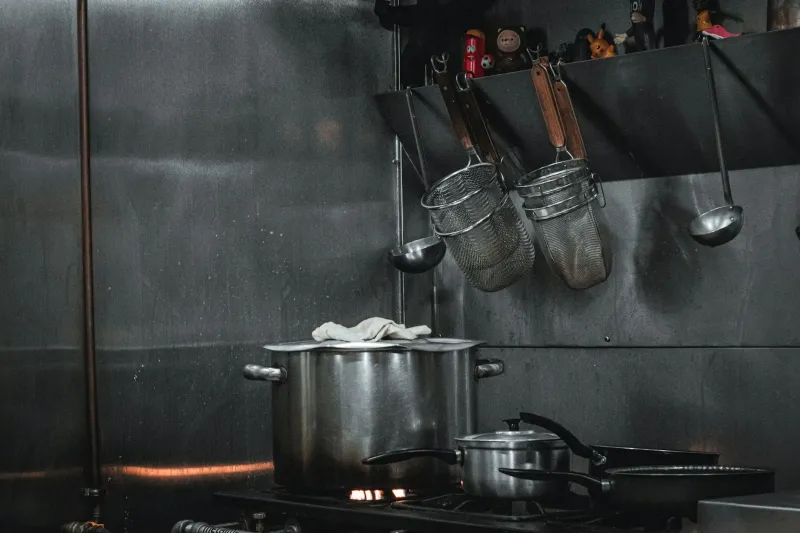
The Hidden Hospitality Equipment Market
Whilst headlines focus on high-street struggles, a quieter revolution is happening in Britain's restaurant sector. Independent eateries, family-run cafes, and ambitious food ventures that launched with optimism are quietly winding down operations, leaving behind substantial equipment investments.
Unlike the dramatic pub closures that grab media attention, restaurant wind-downs often happen discreetly. Owners prefer private sales to avoid damaging remaining trade, creating opportunities for buyers willing to dig beneath the surface.
The equipment quality can be exceptional. Many failed restaurants invested heavily in professional-grade kitchen kit, front-of-house furniture, and commercial systems that retain significant value despite business failure.
Where Restaurant Clearances Surface
Trade publications like The Caterer and Restaurant Magazine regularly feature classified sections where struggling operations advertise equipment sales. These listings often appear weeks before formal closure announcements, giving alert buyers first access.
Local insolvency notices provide another intelligence source. When restaurants enter administration, appointed liquidators must dispose of assets quickly. Monitor The London Gazette and local business journals for formal notices, then contact liquidators directly.
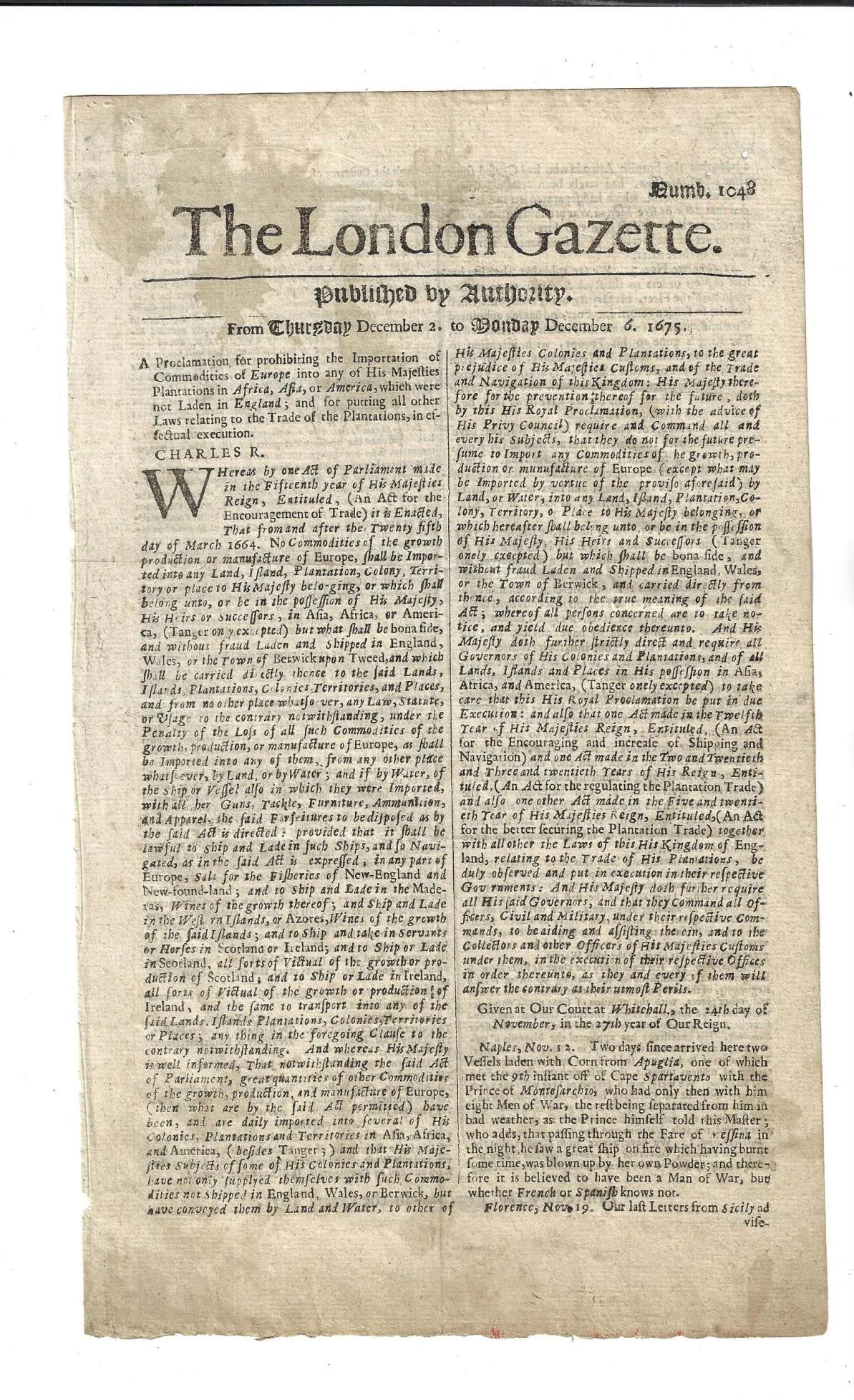 Photo: The London Gazette, via p1.liveauctioneers.com
Specialist catering equipment dealers increasingly handle closure sales. Firms like Alliance Online and Nisbets often acquire entire restaurant fits, then retail items individually. However, approaching them during acquisition phases can yield bulk purchasing opportunities.
Don't overlook social media. Restaurant owners often use Facebook groups and Twitter to announce closure sales, particularly targeting industry contacts who understand equipment values.
Timing Your Approach
Restaurant owners typically follow predictable closure patterns. Seasonal businesses might announce wind-downs after disappointing summer trading. City centre operations often close during quiet January periods when cash flow pressures peak.
Approach timing matters enormously. Contact owners 4-6 weeks before closure dates when they're planning disposal but haven't yet committed to specific buyers. Earlier approaches might seem opportunistic; later contacts often find equipment already sold.
Weekend closures are particularly rich hunting grounds. Many restaurants operate until Saturday, then begin clearances on Sunday. Arriving early Monday morning positions you ahead of competitors who wait for formal advertising.
What Equipment Offers Real Value
Commercial refrigeration equipment holds value exceptionally well. Professional fridges, freezers, and display units from brands like Williams or Polar cost £2000+ new but might sell for £400-600 at closure sales. These items suit various business types beyond catering.
Cooking equipment requires more careful evaluation. Gas ranges and commercial ovens offer substantial savings but need professional installation and safety certification. Factor in connection costs when calculating true value.
Front-of-house furniture can be goldmines. Restaurant chairs, tables, and bar stools often feature designer styling at commercial durability levels. A set of 20 restaurant chairs might cost £2000 new but sell for £300-500 at closure.
Point-of-sale systems and commercial coffee machines need technical assessment. Ensure compatibility with current software and check warranty status. Many restaurant POS systems require ongoing subscriptions that might not transfer to new owners.
Inspection and Negotiation Strategies
Always inspect equipment personally before committing. Restaurant kitchens endure intensive use, and cosmetic damage might hide more serious problems. Bring a knowledgeable friend or hire professional inspection for high-value items.
Test electrical equipment thoroughly. Commercial appliances operate at different voltages and power requirements than domestic alternatives. Ensure your premises can accommodate power demands before purchasing.
Negotiation approaches vary by situation. Liquidator sales require formal bidding processes, but private owner sales offer more flexibility. Demonstrate serious intent with immediate payment capability, but don't exploit obvious desperation.
Bulk purchasing often yields better per-item pricing. If you only need specific items, consider partnering with other buyers to purchase entire lots, then divide equipment afterwards.
Legal and Safety Considerations
Commercial kitchen equipment must meet strict safety standards. Gas appliances require professional installation and annual safety certification. Electrical items need PAT testing for commercial use. Factor these compliance costs into purchase calculations.
Licensing issues occasionally arise with specialist equipment. Commercial coffee machines or alcohol dispensing systems might have supplier restrictions or ongoing service requirements. Clarify these obligations before purchasing.
Transport and installation logistics often prove more complex than anticipated. Commercial refrigeration units are extremely heavy and may require specialist moving equipment. Kitchen ranges need professional disconnection and reconnection services.
Building Profitable Resale Opportunities
Many successful buyers don't keep purchased equipment but resell through online platforms or to other businesses. eBay, Facebook Marketplace, and specialist catering forums provide active markets for quality commercial equipment.
Develop relationships with local cafes, takeaways, and small restaurants who might need specific items. Word-of-mouth recommendations in hospitality circles can create steady demand for your finds.
Seasonal timing affects resale values. Spring months see increased demand as new ventures prepare for summer trading. Christmas periods can be excellent for front-of-house furniture as established restaurants refresh their interiors.
Success Stories from the Field
James Parker, who runs three coffee shops in Yorkshire, has equipped his entire operation through restaurant closures. "I've saved at least £25,000 compared to buying new," he estimates. "The quality is often better than current retail options because older commercial equipment was built to last."
 Photo: James Parker, via images.squarespace-cdn.com
London-based event caterer Maria Santos regularly attends restaurant clearances. "I focus on serving equipment and presentation items. Restaurant-quality platters and serving dishes cost fortune new, but I can buy job lots for 20% of retail price."
 Photo: Maria Santos, via okdiario.com
The key to success lies in systematic approach rather than opportunistic hunting. Monitor multiple information sources, develop industry contacts, and maintain realistic quality standards. Restaurant closure equipment represents a genuine opportunity for businesses willing to invest time in finding and evaluating opportunities.