Corporate Fleet Clearance: The UK Small Business Owner's Route to Premium Vehicles on a Budget

Corporate Fleet Clearance: The UK Small Business Owner's Route to Premium Vehicles on a Budget
Every year, thousands of premium vehicles hit the UK market through a disposal network that operates largely beneath the radar of mainstream buyers. While most small business owners trawl through second-hand dealers or browse Auto Trader, a parallel universe of corporate fleet disposals offers superior vehicles at wholesale prices.
The Fleet Disposal Calendar
Corporate Britain operates on predictable cycles. Most blue-chip companies refresh their fleets every three to four years, creating waves of disposal activity that smart buyers can anticipate. The heaviest disposal periods typically hit between September and November, when new registration plates coincide with budget year-ends.
Leasing giants like Lex Autolease, Alphabet, and Arval don't hang about when contract periods expire. These vehicles need shifting fast to make room for incoming stock, creating genuine urgency that translates into buyer leverage.
Where the Real Deals Hide
BCA (British Car Auctions) and Manheim dominate the UK's fleet disposal landscape, but their business-to-business sales operate differently from their consumer auctions. Register as a trade buyer and you'll access weekly fleet disposal events that rarely see private competition.
 Photo: BCA (British Car Auctions), via l450v.alamy.com
Smaller regional players like Central City Auctions in Birmingham or Westside Vehicle Auctions in the West Midlands often handle overflow from major fleet operators. These venues typically see less competition, particularly for commercial vehicles and vans.
Don't overlook direct disposal channels either. Companies like British Gas, Royal Mail, and major supermarket chains occasionally handle their own disposals through internal procurement teams. A well-timed enquiry to their fleet management departments can yield opportunities that never reach public auction.
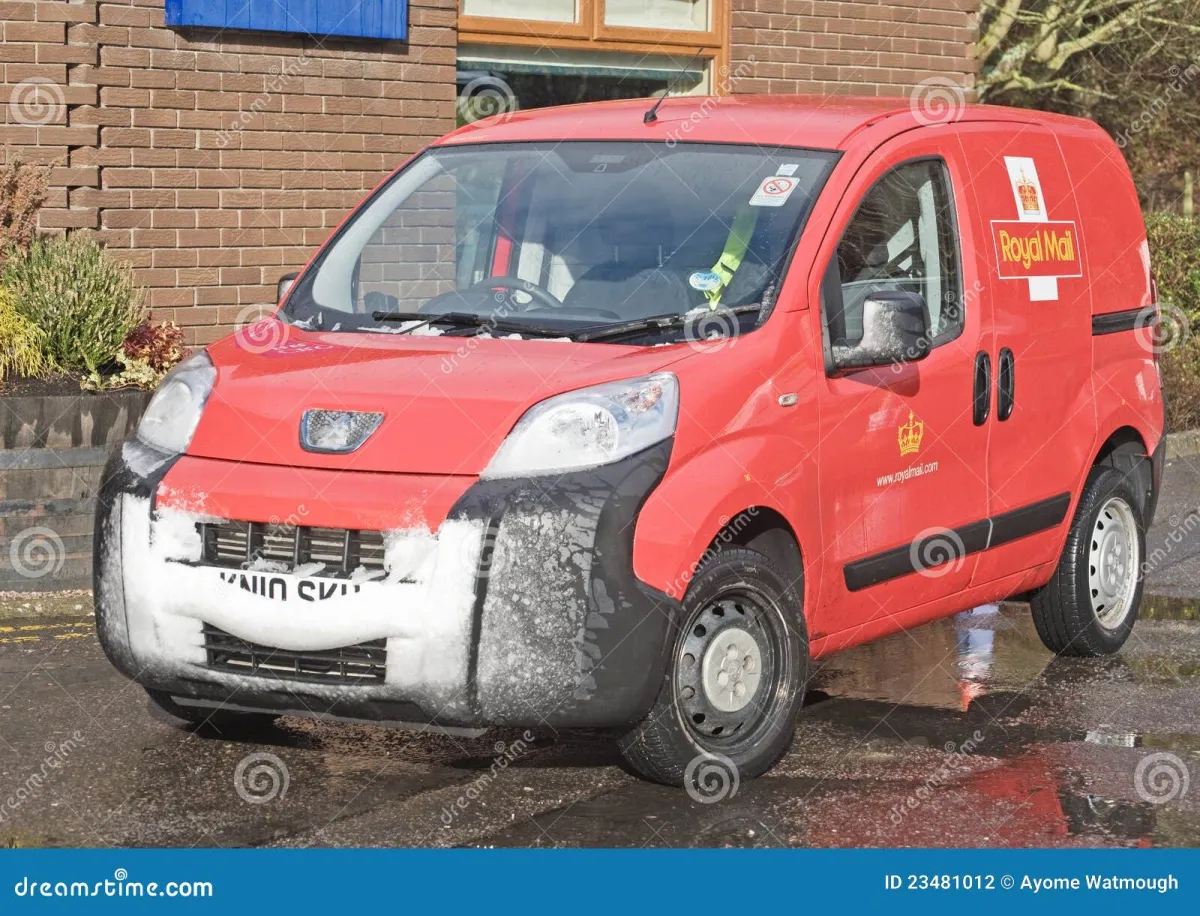 Photo: Royal Mail, via thumbs.dreamstime.com
Decoding Fleet Vehicle Value
Ex-fleet vehicles carry distinct advantages over typical second-hand stock. Corporate maintenance schedules are rigorous, service histories are complete, and mileage tends to be motorway-heavy rather than stop-start urban driving that hammers engines.
Look for vehicles from industries that prioritise reliability over cost-cutting. Pharmaceutical companies, legal firms, and financial services typically maintain their fleets to higher standards than construction or delivery businesses.
The sweet spot lies in vehicles aged 30-48 months. Younger stock often carries premium pricing, while older fleet vehicles may have been retained due to reliability issues.
Beyond the Vehicles: The Hidden Accessory Goldmine
Fleet disposals often include bulk lots of accessories that many buyers overlook. Sat-nav systems, hands-free kits, roof bars, and commercial vehicle racking systems can be resold individually for substantial profits.
One West Midlands entrepreneur we spoke to regularly bids on "lot end" accessories at BCA sales. Last year, he picked up 200 branded phone holders for £50 and resold them through eBay for £8 each.
Fleet livery removal also creates opportunities. Many disposal vehicles retain corporate graphics that can be professionally removed and the vinyl resold to sign-making businesses.
Inspection Strategies for Fleet Purchases
Fleet vehicles hide their wear differently from private cars. Check for excessive key wear (fleet drivers are often less careful), inspect seat bolsters for driver rotation damage, and examine door handles and gear knobs for heavy use.
Pay particular attention to service books. Fleet operators use different service schedules, and some maintain vehicles beyond manufacturer recommendations. This over-servicing can be a significant selling point for resale.
Tyre wear patterns tell important stories. Uneven wear suggests poor alignment or suspension issues, while consistent wear across all tyres indicates proper maintenance.
Financing Your Fleet Finds
Auction houses typically require immediate payment, but several specialist finance companies work specifically with trade buyers at vehicle auctions. Close Brothers Motor Finance and Aldermore offer same-day approval for established traders.
Alternatively, build relationships with local independent dealers who attend auctions regularly. Many will bid on your behalf for a small commission, eliminating the need for upfront capital.
Seasonal Opportunities
December and January often see distressed disposal activity as companies clear books before year-end. These sales typically attract fewer bidders due to holiday periods, creating genuine bargain opportunities.
Conversely, avoid auction activity around new registration periods (March and September) when retail demand inflates prices across all vehicle categories.
Building Your Fleet Disposal Network
Success in fleet disposal buying relies heavily on relationships. Auction house representatives can provide advance notice of significant fleet disposals, while transport companies often know which corporations are planning fleet refreshes months in advance.
Join the Institute of Vehicle Recovery or similar trade bodies to access industry intelligence that reveals upcoming disposal opportunities before they reach public knowledge.
The fleet disposal market rewards preparation, timing, and insider knowledge. While it requires more effort than browsing dealer forecourts, the margins available make it one of the UK's most lucrative vehicle sourcing strategies for small business owners willing to do their homework.