Hospital Gold Rush: Unlocking NHS Equipment Auctions for Savvy UK Entrepreneurs
The NHS Disposal Network You Never Knew Existed
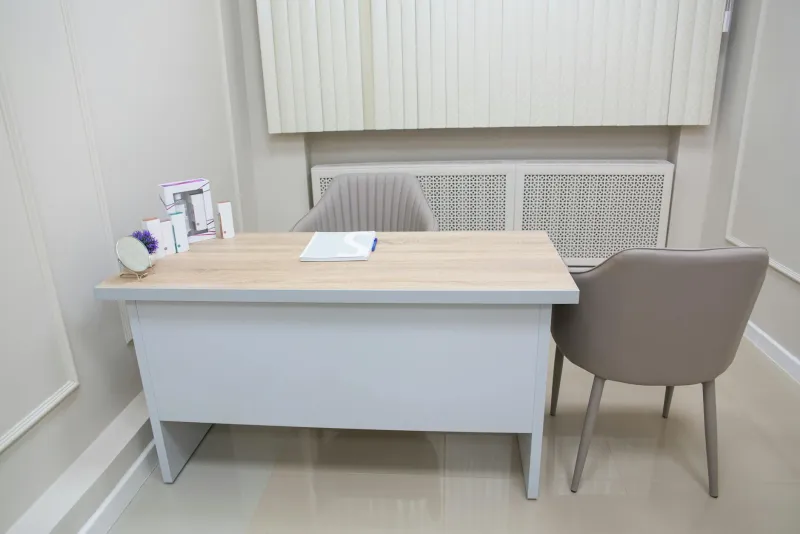
Every month, dozens of NHS trusts across the UK quietly dispose of thousands of pounds worth of perfectly serviceable equipment. We're not talking about medical devices here – think ergonomic office chairs, boardroom tables, filing cabinets, IT equipment, and commercial-grade furniture that would cost your business a fortune at retail prices.
The reason? NHS trusts operate on strict procurement cycles, and when they upgrade facilities or reorganise departments, surplus assets must be cleared quickly. Rather than let these items gather dust in storage, they're channelled through official disposal routes that savvy business owners are increasingly tapping into.
Finding the Hidden Treasure Trove
The key to accessing NHS disposals lies in understanding the official channels. NHS Shared Business Services (SBS) coordinates much of the disposal activity across England, whilst individual trusts in Scotland, Wales, and Northern Ireland often handle their own arrangements.
Start your hunt on the government's disposal portal, where NHS Property Services regularly lists surplus assets. Don't overlook local NHS foundation trusts either – many publish disposal notices in their procurement sections, often buried deep within their websites.
Specialist healthcare auctioneers like Wilsons Auctions and John Pye Auctions frequently handle NHS contracts. These firms run regular sales featuring everything from executive desks to commercial printers, all carrying that distinctive NHS quality stamp.
What's Actually Worth Your Time
Not everything in NHS disposals makes business sense. Focus on items with genuine commercial value: high-end office furniture, particularly Herman Miller or Steelcase chairs that retail for £800+ but might fetch £150 at auction. Conference room equipment, whiteboards, and modular office systems offer excellent value.
IT equipment requires more caution. Whilst monitors and peripherals can represent good value, ensure any computers have been properly data-wiped and check warranty status. Many NHS IT disposals come with certificates confirming secure data destruction.
Avoid anything marked as 'clinical waste' or requiring specialist disposal. Stick to standard office and administrative equipment where your business can genuinely benefit from the quality and durability that NHS procurement standards demand.
The Compliance Minefield
Before bidding, understand your obligations. All NHS disposal sales require proper VAT documentation, and some items may have restrictions on resale. Check whether assets are being sold 'as seen' or with limited warranties.
Electrical equipment must meet PAT testing standards if you're planning to use it commercially. Factor in the cost of safety testing when calculating your maximum bid. Some auctioneers provide basic electrical certification, but don't assume this covers your workplace requirements.
Transport logistics often catch newcomers off-guard. NHS sites rarely offer loading facilities for small buyers, so arrange your own collection vehicle and labour. Factor in potential parking restrictions around hospital sites.
Real-World Success Stories
Take Sarah Mitchell, who runs a marketing consultancy in Birmingham. She's furnished her entire 12-person office through NHS disposals, saving an estimated £15,000 compared to retail prices. "The quality is outstanding," she explains. "These chairs and desks were built to withstand constant use in busy hospital departments."
Manchester-based training provider David Chen has built a profitable sideline buying NHS IT equipment. "Hospital admin departments often upgrade perfectly functional computers and monitors. I've equipped three training rooms for less than £2,000 total."
 Photo: David Chen, via genevemusicale.com
Timing Your Approach
NHS disposal activity follows predictable patterns. End-of-financial-year clearances (March-April) often yield the highest volumes, as trusts clear budgets and prepare for new procurement cycles. Summer months see increased activity as departments use holiday periods for refurbishment projects.
Winter disposals tend to be smaller but can offer better value with fewer competing bidders. Monitor multiple trusts simultaneously – what doesn't suit one business might be perfect for yours.
Building Your NHS Disposal Strategy
Start small with local trusts to understand the process before expanding your search radius. Register with multiple auctioneers and set up alerts for relevant categories. Most importantly, inspect items personally when possible – photographs rarely tell the full story.
Develop relationships with disposal coordinators at your local trusts. They often know about upcoming clearances before they hit public listings. Professional, courteous enquiries can put you first in line when suitable items become available.
The NHS disposal market represents a genuine opportunity for UK small businesses willing to navigate the bureaucracy. With proper preparation and realistic expectations, it's a channel that can significantly reduce your equipment costs whilst supporting public sector efficiency.