Duty-Free Goldmine: The Brexit Loophole That's Transforming UK Import Margins
The Brexit Silver Lining Nobody Talks About
While most businesses focused on Brexit's challenges, a quiet revolution was unfolding in Britain's customs warehouses. New duty suspension arrangements, designed to ease post-Brexit trade friction, have created unexpected opportunities for savvy small business owners to import European goods without the traditional upfront tax burden.
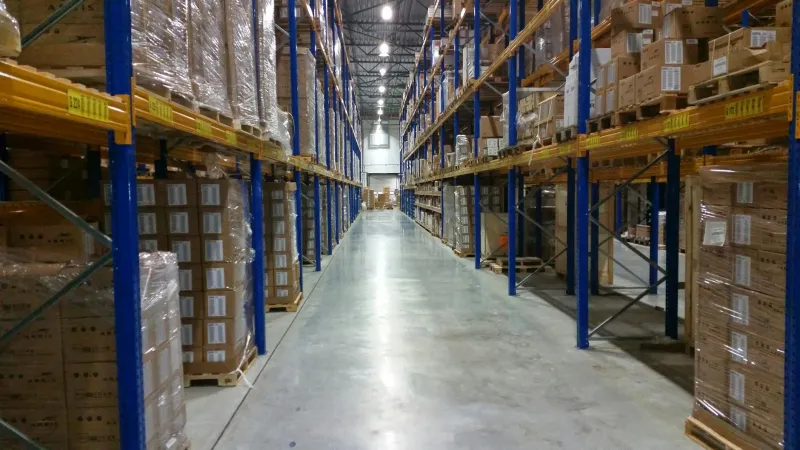
These schemes, officially known as Customs Warehousing and Temporary Storage arrangements, allow businesses to hold imported goods in approved facilities while deferring duty and VAT payments until the moment of sale. For cash-strapped entrepreneurs, this represents a fundamental shift in import economics – you can now access premium European branded stock with minimal upfront investment.
Understanding the New Customs Landscape
The mechanics of duty suspension are surprisingly straightforward, though few small businesses understand how to exploit them effectively. When goods arrive from the EU, they can be directed to customs-approved warehouses where they remain in what's technically called 'suspense' – neither fully imported nor exported, existing in a profitable limbo where no duties apply.
This arrangement allows you to inspect, sort, and even partially process goods before committing to pay the associated taxes. More importantly, you only pay duties on items as you remove them from the warehouse for sale, creating a just-in-time tax system that can dramatically improve your cash flow position.
The beauty of this system becomes apparent when you consider seasonal businesses or those dealing with uncertain demand. You can import Christmas goods in September, store them duty-free until November, then only pay taxes on items you actually sell, returning unsold stock to the EU without ever incurring UK tax liability.
Identifying the Right Warehousing Partners
Not all customs warehouses offer the same advantages to small businesses. The key is finding facilities that specialise in mixed cargo and smaller consignments rather than the massive container operations that dominate major ports.
Regional airports often house the most flexible customs warehousing operations. East Midlands Airport, for example, hosts several facilities that actively court smaller importers, offering shared storage arrangements that make the economics work for modest quantities.
 Photo: East Midlands Airport, via www.boschat-laveix.com
Similarly, smaller ports like Harwich and Hull have developed customs warehousing operations specifically designed for the post-Brexit landscape, with simplified procedures and competitive rates that larger ports can't match.
The critical factor is finding warehouses that offer 'groupage' services – combining multiple small importers' goods into larger customs declarations to spread the administrative costs. This collaborative approach can reduce your warehousing costs to as little as £2-3 per cubic metre per month.
Maximising the Cash Flow Advantage
The real profit potential lies in understanding how to structure your buying and selling cycles to minimise duty payments while maximising inventory turnover. Consider a business importing Italian leather goods: traditional importing would require paying 4.2% duty plus 20% VAT upfront on the entire shipment.
Using duty suspension, you pay nothing until goods leave the warehouse. If you can turn inventory within 30 days, you've essentially received a month's free credit on 24.2% of your stock value. For a £10,000 shipment, that's £2,420 in working capital that remains in your business rather than HMRC's coffers.
This advantage compounds when dealing with seasonal goods or testing new product lines. You can import speculatively, knowing that unsuccessful products can be returned to the EU without any UK tax liability, while successful lines generate immediate cash flow to cover duties on subsequent withdrawals.
The Premium Brand Opportunity
European manufacturers, particularly in Germany, Italy, and France, are increasingly willing to work with UK businesses using duty suspension arrangements. Brexit initially made them nervous about UK credit terms, but customs warehousing provides a middle ground that satisfies their risk concerns while giving you access to premium branded stock.
Many European suppliers now offer enhanced payment terms to UK buyers using approved customs warehouses, recognising that the goods remain technically under EU customs control until duties are paid. This has opened doors to luxury goods, specialist equipment, and branded fashion lines that were previously difficult for small UK businesses to access.
The key is positioning yourself as a sophisticated importer who understands the new customs landscape. European suppliers are impressed by UK businesses that can navigate duty suspension arrangements, seeing this as evidence of professional competence and long-term viability.
Navigating the Compliance Maze
While the profit potential is substantial, duty suspension schemes require meticulous record-keeping and compliance with complex regulations. Every movement of goods must be documented, and regular reconciliations with HMRC are mandatory.
The most successful operators invest in specialist customs software or partner with experienced freight forwarders who handle the administrative burden. Companies like Woodland Group and Yusen Logistics have developed small-business packages specifically for duty suspension operations, typically costing £200-400 monthly but potentially saving thousands in cash flow improvements.
Critically, you must maintain detailed records of exactly which goods are withdrawn from the warehouse and when. HMRC's computer systems automatically track these movements, and discrepancies can trigger costly investigations. The golden rule is to treat customs warehousing with the same seriousness as VAT compliance – get it right, and it's transformational; get it wrong, and it's expensive.
Strategic Timing for Maximum Impact
The most sophisticated operators use duty suspension to create artificial seasonal advantages. By importing summer goods in March and holding them duty-free until peak selling season, you can offer better prices than competitors who've tied up cash in upfront duty payments.
Similarly, end-of-season clearance becomes more profitable when you can return unsold stock to European suppliers without paying UK duties. This arrangement often allows you to negotiate better terms with suppliers, who appreciate the reduced risk of being stuck with dead stock in the UK market.
Some entrepreneurs have built entire business models around this timing arbitrage, importing goods during quiet periods when European suppliers offer better prices, then releasing them strategically to UK markets when demand peaks.
Building Your Suspension Strategy
Starting with duty suspension requires careful planning and modest initial investment. Begin by identifying European suppliers in your target categories who are familiar with UK customs warehousing – many now actively promote these arrangements to UK buyers.
Next, establish relationships with appropriate warehousing facilities and freight forwarders who can handle the customs procedures. The initial setup costs typically range from £1,000-3,000, but this investment can pay for itself within the first few shipments through improved cash flow alone.
Most importantly, view duty suspension as part of a broader strategy rather than a one-off tactic. The real profits come from building systematic approaches that exploit the timing differences between purchase, importation, and sale to create sustainable competitive advantages in your chosen markets.
For UK small businesses willing to master these new post-Brexit realities, duty suspension schemes represent perhaps the most significant import opportunity since Britain joined the Common Market fifty years ago.