Stock That Won't Shift? Here's How Savvy UK Traders Are Turning Wholesale Duds Into Decent Earners

Photo: The White House, Public domain, via Wikimedia Commons
Stock That Won't Shift? Here's How Savvy UK Traders Are Turning Wholesale Duds Into Decent Earners
It happens to almost every small business owner who buys wholesale. You spot what looks like a cracking deal, you commit to a bulk order, and then... silence. The stock sits on your shelves, your cash is tied up, and the original sales plan has quietly fallen apart.
The instinct is usually to panic-discount and take the hit. But here's the thing — that's almost never your best move. Across the UK, a growing number of savvy traders are learning to treat unsold wholesale stock not as a failure, but as raw material for a second opportunity. Here's how they're doing it.
Bundle It With Something That Actually Sells
This is probably the most underused trick in the small business playbook. If you've got a slow seller sitting next to a popular line, pair them together and reframe the whole offer.
Think about it from a customer's perspective. A standalone item they're lukewarm about becomes a lot more interesting when it's presented as part of a value bundle. A beauty retailer in Manchester found herself sitting on a warehouse shelf's worth of facial toners that just weren't shifting individually. She bundled them with her best-selling moisturiser, repackaged the pair as a skincare duo, and cleared the lot within three weeks — at a margin that was actually better than if she'd sold the toner on its own.
The key is positioning. You're not offloading dead stock; you're creating a curated product. That framing matters, both for your customers and for your own mindset.
Change the Channel Entirely
Just because something isn't selling in your primary outlet doesn't mean it won't sell anywhere. The UK has a brilliantly varied ecosystem of sales channels, and most small businesses are only using one or two of them.
If your main trade is through your own website or a physical shop, try listing the slow movers on eBay or Amazon Marketplace. The audiences are completely different, and search intent on those platforms often catches buyers your own storefront simply doesn't reach. A tool supplier in the West Midlands shifted three pallets of specialist drill bits — items that had zero traction on his trade website — through eBay within a fortnight, because hobbyist woodworkers were actively searching for exactly that product.
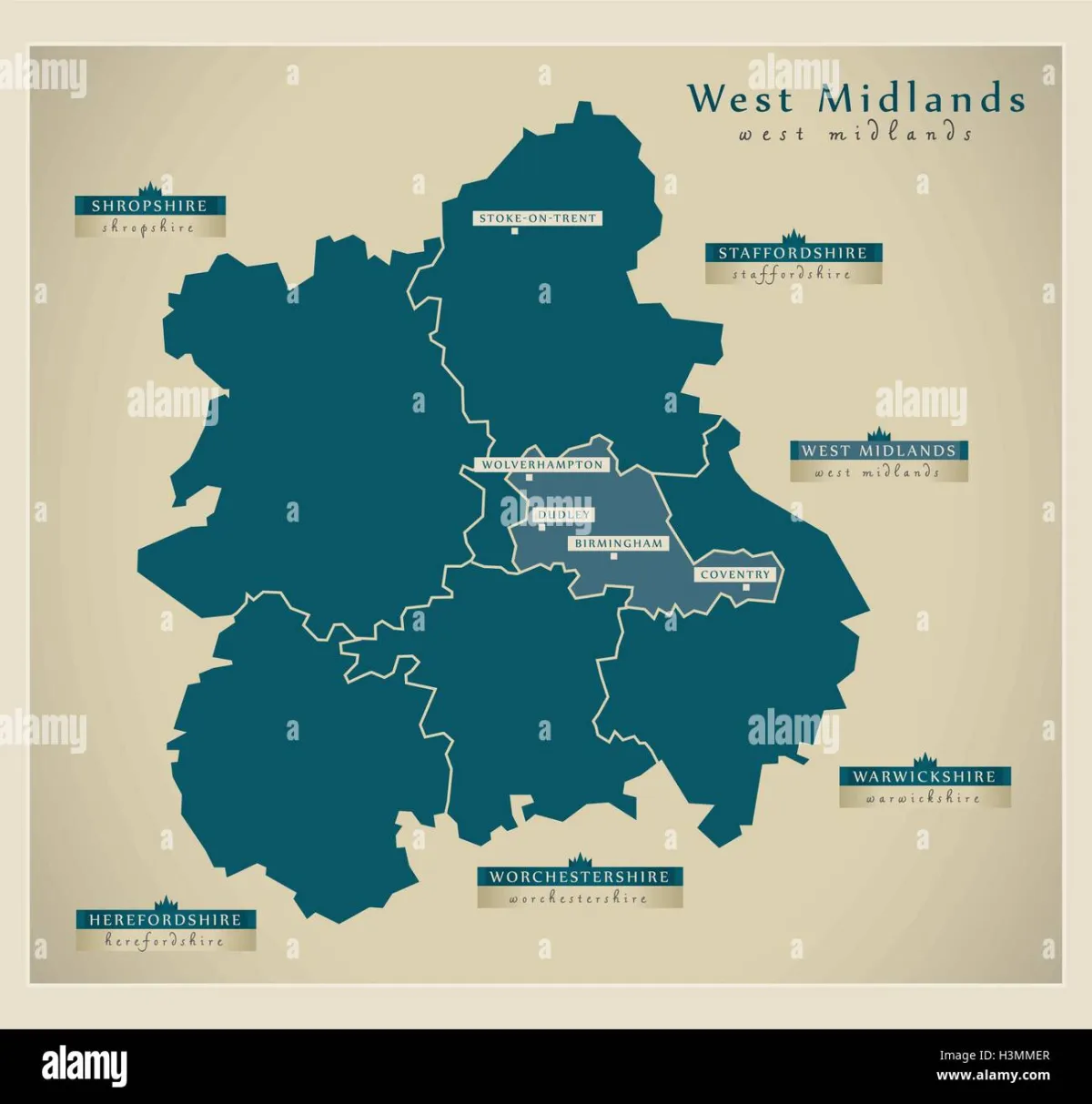 Photo: West Midlands, via c8.alamy.com
Local markets and car boot sales are also worth serious consideration, particularly for consumer goods. Yes, it might feel a step removed from your usual operation, but a busy Saturday market in a decent-sized town can move a surprising volume of stock. The overheads are minimal and the feedback you get from direct customer conversations is genuinely useful.
Don't overlook Facebook Marketplace and local Facebook selling groups either. For bulkier items or anything with strong regional appeal, these can outperform national platforms.
Approach Complementary Businesses for a Stock Swap
This one takes a bit more confidence, but the upside can be significant. If you've got wholesale stock that fits neatly into another business's product range, approach them about a swap or a part-exchange arrangement.
Say you're a gift shop that over-ordered on homeware and you know a local interiors boutique that regularly struggles to source affordable decorative accessories. Open a conversation. You might swap excess stock for something that moves better in your shop, or negotiate a straightforward trade at agreed wholesale valuations.
These informal arrangements happen more than people realise, particularly between independent traders who've built relationships at local business events or through chambers of commerce. The trick is to frame it as a mutual win rather than coming in cap-in-hand. You're not asking for a favour — you're proposing a deal.
Repackage for a Different Market Entirely
Sometimes the product isn't wrong — the market is. A small repackaging or repositioning exercise can open up a completely different buyer pool without you having to source a single new item.
A tea merchant in Yorkshire found himself overstocked on a premium loose-leaf blend that wasn't shifting retail. He repackaged it into larger catering-sized pouches, approached a handful of independent cafés and delis, and sold the entire stock at a slightly lower per-unit price but with zero marketing spend and a much faster turnaround. The cafés got a quality product with a story behind it; he cleared his backlog.
This works particularly well for food and drink, cosmetics, stationery, and craft supplies — essentially anything where the same product can serve both a consumer and a trade buyer depending on how it's presented.
Use It as a Loss Leader — Strategically
If all else fails and you do need to discount, at least make the discount work for you. Rather than reducing prices across the board and hoping for the best, use the slow stock as a deliberate loss leader to drive traffic toward higher-margin items.
Offer the unsold lines as a free gift with purchase, or use them in a promotional bundle that anchors to a better-performing product. You're not just clearing stock — you're engineering a reason for customers to spend more overall.
Some UK online retailers use this approach particularly effectively during quiet trading periods, running short flash promotions that clear old stock while simultaneously lifting the average basket value of orders placed during the promotion window.
The Bigger Lesson
The real takeaway from all of this isn't just about recovering from a bad wholesale call. It's about building a more flexible mindset around stock from the outset. The traders who handle these situations best are the ones who've already thought about exit routes before they place a bulk order — who ask themselves not just 'will this sell?' but 'what are my options if it doesn't?'
Buying wholesale is always a calculated risk. But with the right playbook, even the miscalculations can be turned into something worth having.