Charity Warehouse Clearance: The UK Small Business Owner's Guide to Bulk Buying from Britain's Biggest Donation Centres

The Hidden Wholesale Market in Britain's Charity Sector
While most people think of charity shops as places for weekend browsing, a growing number of UK entrepreneurs have discovered something far more lucrative: the wholesale operations running behind these high street fixtures. Major charity retailers like Oxfam, British Heart Foundation, and Barnardo's process millions of donated items annually through vast warehouse networks—and they're increasingly willing to sell bulk lots directly to trade buyers.
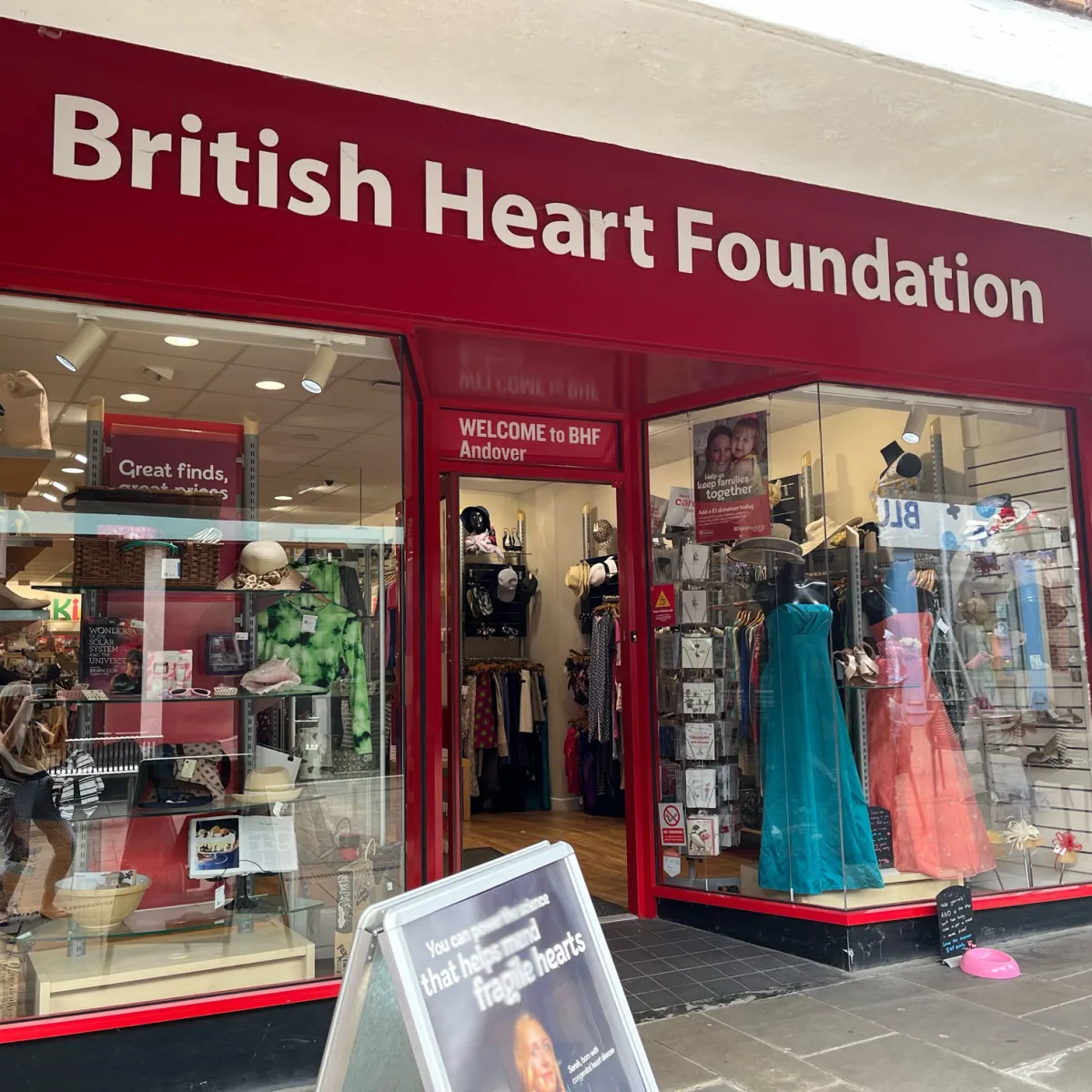 Photo: British Heart Foundation, via www.inandover.co.uk
The numbers are staggering. Cancer Research UK alone operates over 600 shops, processing donations from across Britain. Much of this stock never reaches shop floors due to sheer volume, seasonal timing, or space constraints. Instead, it's sorted into bulk lots and sold to wholesale buyers at prices that would make traditional suppliers weep.
 Photo: Cancer Research UK, via explorebuxton.co.uk
Why Charities Are Embracing Bulk Sales
Charity retailers face a constant challenge: maximising revenue whilst managing overwhelming donation volumes. Sarah Mitchell, who sources from charity warehouses across the Midlands, explains: "These organisations need to turn stock quickly. They'd rather sell a mixed bag of 50 items for £20 than spend staff time individually pricing and displaying each piece."
The economics work for everyone. Charities generate guaranteed revenue without retail overheads, whilst buyers access branded goods at prices often below 50p per item. It's particularly attractive for charities during peak donation periods—post-Christmas, spring cleaning seasons, and following house clearances.
Approaching the Big Players
Successfully sourcing from charity warehouses requires a professional approach. Most major charities have dedicated trade departments, though they're not always prominently advertised. Start by contacting regional operations managers rather than individual shop managers.
British Heart Foundation operates several large sorting centres across England and Wales. Their trade sales typically involve clothing lots sorted by type—menswear, children's clothing, or seasonal items. Minimum purchases usually start around £100, with better prices for larger commitments.
Barnardo's takes a different approach, often selling mixed lots that might include toys, books, homeware, and clothing together. These "lucky dip" purchases require more sorting time but can yield surprising finds—vintage items, collectibles, or barely-used electronics that donors didn't realise were valuable.
What's Really in Those Bulk Bags
Realistic expectations are crucial. Tom Harrison, who's been buying charity bulk lots for three years, breaks down typical contents: "About 60% will be standard high street clothing in good condition. Maybe 20% needs minor repairs or cleaning. Another 15% might be genuine vintage or branded items worth decent money. The remaining 5% is usually unsellable—but that ratio still makes it profitable."
Seasonal timing affects contents significantly. Post-Christmas lots often contain unwanted gifts—electronics, perfumes, and gift sets. Spring donations frequently include wardrobe clearances with higher-end items. Summer brings car boot sale rejects and holiday home clearances.
Building Your Sorting and Grading System
Profitable charity wholesale requires efficient processing. Successful buyers develop systematic approaches to grading and categorising purchases. Create separate areas for different conditions: immediate resale, needs cleaning, requires minor repairs, and scrap/recycling.
Invest in proper storage solutions. Clothing racks, clear storage boxes, and labelling systems prevent profitable items getting lost in the chaos. Many buyers find that spending an extra hour on initial sorting saves days later when listing items for sale.
Research is crucial for identifying valuable pieces. Download apps like WorthPoint for collectibles or check completed eBay listings for clothing brands. What looks like ordinary charity shop stock might include designer pieces, vintage band t-shirts, or discontinued items commanding premium prices.
Best Platforms for UK Resale
The charity wholesale model works across multiple sales channels. Vinted has become increasingly popular for clothing, particularly with younger demographics who appreciate the sustainable angle. Facebook Marketplace excels for household items and larger pieces, whilst eBay remains king for collectibles and vintage finds.
Many successful buyers operate across platforms simultaneously. List branded clothing on Vinted, household goods on Facebook, and anything unusual or collectible on eBay. This maximises exposure whilst playing to each platform's strengths.
Local car boot sales shouldn't be overlooked. They're perfect for shifting large volumes of mid-range items quickly, generating immediate cash flow to fund your next charity warehouse purchase.
The Ethics and Regulations
Operating in the charity sector requires sensitivity to the underlying mission. These organisations exist to generate funds for important causes, not to provide cheap stock for entrepreneurs. Approach relationships professionally and consider the bigger picture—your purchases should genuinely help charities achieve their goals.
From a practical standpoint, ensure you're registered for business purposes if buying regularly. Some charities require proof of resale credentials or business registration before offering trade accounts. VAT considerations apply if your turnover exceeds thresholds, though much charity shop stock remains zero-rated.
Building Long-Term Relationships
Success in charity wholesale comes from developing ongoing partnerships rather than one-off purchases. Regular buyers often get first refusal on premium lots or advance notice of special clearances. Some charities even allow trusted buyers to visit warehouses during sorting, selecting items before they're bagged up.
Payment terms matter. Cash buyers typically receive better prices, but established relationships might allow 30-day terms on larger purchases. Always honour agreements—charity sector networks are tight-knit, and reputation travels fast.
The charity wholesale market represents a genuine win-win opportunity for UK small businesses. Done thoughtfully, it provides sustainable access to quality stock whilst supporting vital community services. As donation volumes continue growing and retail space remains limited, these partnerships look set to expand further.