Behind Closed Doors: Tapping Into Britain's Hotel Refit Goldmine for Wholesale Furnishing Deals

The £2.3 Billion Refurbishment Market Nobody Talks About
Britain's hospitality sector undergoes constant reinvention. Hotels refresh their image every 7-10 years, guesthouses modernise to meet changing expectations, and serviced apartments upgrade to maintain competitive edges. This relentless cycle creates an enormous secondary market that most small business owners never discover—thousands of commercial-grade items sold quietly at wholesale prices to avoid disposal costs.
The scale is staggering. A typical 100-room hotel refurbishment might dispose of 200+ mattresses, 400+ sets of bedding, hundreds of chairs, dozens of wardrobes, and complete commercial kitchen setups. Rather than paying disposal fees, many operators sell these items for 10-20% of replacement cost.
David Chen discovered this market by accident when helping a family friend clear a closed B&B: "I couldn't believe the quality of stuff they were almost giving away. Commercial-grade mattresses that retail for £400 each, selling for £30. Professional kitchen equipment worth thousands, going for hundreds. I realised this was happening everywhere."
 Photo: David Chen, via www.davidchen.app
Understanding the Hospitality Disposal Challenge
Hotels face unique constraints when disposing of assets during refurbishments. Tight project timelines mean they can't wait months for optimal prices. Limited storage space prevents keeping items until better selling opportunities arise. Commercial waste disposal costs encourage any alternative that generates revenue rather than expenses.
Furniture removal companies often charge £50+ per room to clear items, making wholesale disposal financially attractive even at low prices. Many hotel managers prefer dealing with single buyers who'll take everything rather than managing multiple individual sales.
Timing pressures intensify the opportunity. Refurbishments typically happen during quiet seasons—January to March for leisure hotels, or between conference bookings for business properties. Operators want quick clearances to minimise disruption and start renovation work promptly.
Identifying Hotels Mid-Refurbishment
Successful sourcing requires systematic identification of properties undergoing renovation. Planning applications provide advance notice—local councils publish details of proposed hotel alterations, giving months of lead time to establish contact.
Industry publications like Caterer and Hotelkeeper regularly feature refurbishment announcements. Hotel management companies often refurbish multiple properties simultaneously, creating bulk opportunities for established buyers.
Direct observation works surprisingly well. Hotels undergoing major refits usually have obvious external signs—scaffolding, skips, contractor vehicles. Approaching during early refurbishment stages allows negotiation before disposal becomes urgent.
Social media monitoring helps too. Hotels announce refurbishments to manage guest expectations, whilst contractors often post project updates. LinkedIn connections with hotel managers, interior designers, and refurbishment specialists provide insider intelligence about upcoming projects.
Approaching Hospitality Businesses Professionally
Successful approaches require understanding hospitality sector decision-making. General managers typically control disposal decisions for smaller properties, whilst larger chains might delegate to regional operations managers or dedicated asset disposal teams.
Timing matters enormously. Contact properties 4-6 weeks before planned refurbishments begin. Earlier contact might not receive attention, whilst later approaches often find disposal already arranged.
Professional presentation is crucial. Hotels deal with numerous suppliers and contractors—approach them as a legitimate business solution rather than opportunistic buyer. Provide references, insurance details, and clear collection timescales.
Many operators appreciate guaranteed clearance dates more than maximum prices. Offering to collect everything by specific deadlines, regardless of quantity, often secures deals where higher-paying buyers with flexible timescales fail.
Specialist Trade Brokers and Auction Houses
A growing network of specialist brokers handles hotel asset disposal across Britain. Companies like Hilco Industrial Services and Asset Recovery Solutions regularly auction hotel clearances, offering access to multiple properties simultaneously.
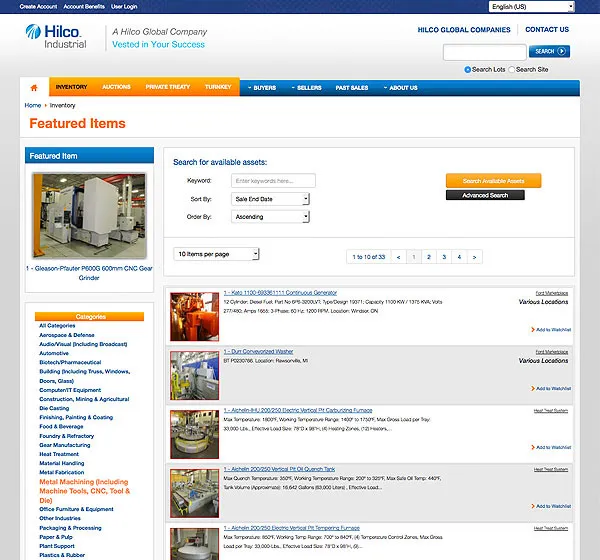 Photo: Hilco Industrial Services, via mir-s3-cdn-cf.behance.net
These auctions typically happen monthly in major cities, featuring lots from hotels, restaurants, and corporate facilities. Viewing days allow inspection of commercial-grade items rarely available through other channels.
Online platforms increasingly handle hotel disposals. Auction websites like Bid Spotter and i-bidder regularly feature hospitality clearances, allowing remote bidding on lots across Britain. However, collection arrangements and transport costs need careful consideration.
Regional brokers often provide better access for smaller buyers. Local auctioneers handling hotel clearances typically have lower buyer premiums and more flexible collection terms than national operators.
Due Diligence for Commercial vs Consumer Grade Items
Hospitality items differ significantly from domestic equivalents, requiring careful evaluation before purchase. Commercial mattresses use different materials and construction methods, often lasting longer but feeling firmer than domestic versions.
Fire safety regulations affect hospitality furniture significantly. Commercial pieces must meet stricter flame-retardant standards, making them suitable for business use but potentially unnecessary for domestic resale. Check labelling carefully—commercial-grade items often command premium prices in appropriate markets.
Electrical equipment requires particular attention. Commercial kitchen appliances typically need three-phase power supplies unsuitable for domestic use. However, they're perfect for restaurants, cafes, or catering businesses willing to pay substantial premiums for professional equipment.
Wear patterns differ from domestic use. Hotel furniture endures constant use but receives professional maintenance. Items might show cosmetic wear whilst remaining structurally sound—perfect for businesses prioritising function over appearance.
Building Relationships with Key Industry Players
Long-term success requires developing networks within the hospitality sector. Hotel managers change properties regularly, taking knowledge of reliable clearance buyers to new roles. Building reputation for professional service, prompt payment, and complete clearances generates referrals across the industry.
Refurbishment contractors often handle multiple hotel projects annually. Establishing relationships with project managers can provide advance notice of disposal opportunities across their entire portfolio.
Interior design firms specialising in hospitality work frequently coordinate asset disposal alongside installation of new items. They appreciate buyers who'll take complete clearances without cherry-picking valuable pieces.
Some buyers develop collection services for hospitality operators, offering guaranteed clearance dates and professional removal teams. This approach requires significant investment in vehicles and labour but can secure exclusive access to premium disposal opportunities.
The Growing Auction Circuit
Specialist hotel asset auctions now operate regularly across Britain. Monthly sales in Manchester, Birmingham, and London feature items from properties nationwide. These events attract trade buyers from furniture dealers to restaurant operators.
Auction viewing days provide education about commercial-grade items and current market values. Even unsuccessful bidders gain knowledge about hospitality equipment specifications and typical disposal volumes.
Online bidding expands access to auctions across Britain, though transport costs need factoring into bid calculations. Many auction houses offer collection services or can recommend haulage companies familiar with their operations.
Timing auction attendance around specific needs maximises efficiency. Kitchen equipment auctions suit catering businesses, whilst bedroom furniture sales appeal to accommodation providers or furniture dealers.
The hospitality refurbishment cycle offers genuine wholesale opportunities for UK entrepreneurs willing to understand sector dynamics and build professional relationships. With Britain's tourism industry constantly evolving and upgrading, the supply of quality commercial items at wholesale prices shows no signs of diminishing.