Anchors Away: UK Business Gold Hidden in Britain's Marina Meltdowns
When the Tide Goes Out
Britain's marine industry might seem worlds away from typical small business concerns, but beneath the surface lies a treasure trove of opportunities that most entrepreneurs never consider. When boat yards close their doors or marinas face financial storms, they don't just disappear quietly – they liquidate assets that can transform completely unrelated businesses.
The marine leisure sector took a particular battering during recent economic upheavals. Rising insurance costs, declining membership numbers, and increased environmental regulations have pushed many previously profitable operations towards the rocks. Their misfortune, however, creates unexpected opportunities for businesses with vision.
Where Maritime Disasters Surface
Marine liquidations don't appear in typical business sale platforms. Instead, they surface through specialist channels that most entrepreneurs ignore. The Marine Trade Association maintains informal networks where distressed sales circulate among industry insiders, but persistent outsiders can gain access through professional introductions.
Specialist auctioneers like Ritchie Bros and Euro Auctions occasionally handle marine liquidations, particularly when boat yards close completely. These sales often include everything from hydraulic lifts to specialist tools that have applications far beyond their original maritime purposes.
Local newspapers in coastal areas frequently carry notices of marina closures and boat yard liquidations. The Western Morning News, Eastern Daily Press, and regional Scottish publications often provide early warnings of upcoming opportunities that national business press overlooks entirely.
Insolvency practitioners handling marine business failures sometimes welcome approaches from business buyers, particularly when faced with unusual assets that traditional marine buyers can't absorb. Building relationships with practitioners who specialise in leisure industry failures can provide advance notice of upcoming opportunities.
The Hidden Value in Marine Assets
Marine equipment often possesses qualities that make it exceptionally valuable for land-based applications. Stainless steel fittings designed to withstand saltwater corrosion prove incredibly durable in industrial environments. Hydraulic systems built for lifting boats can handle heavy machinery or construction equipment with ease.
Electrical components from marine environments typically exceed standard industrial specifications. Navigation electronics, communication systems, and power management equipment often find eager buyers in security, construction, and logistics industries where reliability matters more than marine-specific features.
Boat yard workshops contain tool collections that rival professional engineering facilities. Precision measuring equipment, specialist metalworking tools, and lifting gear often sell for fractions of their replacement cost when boat yards liquidate.
Marina facilities themselves offer surprising opportunities. Floating pontoons can become temporary bridges or construction platforms. Fuel systems adapt to industrial heating applications. Even seemingly mundane items like marine-grade rope and fittings command premium prices in construction and agriculture sectors.
Repurposing Marine Gold
Successful buyers approach marine liquidations with creative thinking rather than literal applications. Yacht interiors stripped during refits become luxury office fittings or high-end restaurant décor. Marine-grade fabrics and upholstery materials suit premium automotive or aviation applications.
Stainless steel galley equipment from large vessels often exceeds commercial kitchen standards at fraction prices. Professional chefs and restaurant operators frequently discover that marine catering equipment offers superior durability and functionality compared to standard commercial alternatives.
Boat building materials present opportunities for construction and manufacturing businesses. Marine-grade plywood, fibreglass materials, and specialist adhesives often surpass building industry standards while selling at clearance prices during liquidations.
Navigation and communication equipment finds ready markets beyond marine applications. GPS systems, radar equipment, and radio communication gear suit security companies, logistics operators, and agricultural businesses seeking reliable positioning and communication solutions.
Spotting the Diamonds in the Rough
Marine liquidations require different evaluation skills compared to typical business asset sales. Understanding which equipment translates to land-based applications helps identify genuine opportunities among the maritime-specific items that hold limited appeal.
Age matters less in marine equipment than in most other sectors. Boats and marine facilities often maintain equipment for decades, creating opportunities to acquire well-maintained vintage items that would be prohibitively expensive when new.
Brand recognition in marine equipment differs significantly from consumer or industrial markets. Companies like Caterpillar, Cummins, and Volvo manufacture marine versions of their industrial equipment, often to higher specifications than land-based equivalents.
Documentation and certification can add significant value to marine equipment. Items with valid safety certificates, maintenance records, or warranty coverage often command premium prices even in liquidation scenarios.
Building Marine Industry Connections
Successfully accessing marine liquidations requires building relationships within an industry that operates differently from typical business sectors. Marine professionals often maintain informal networks where information circulates through personal connections rather than formal channels.
Attending boat shows and marine trade exhibitions provides opportunities to meet industry professionals who might later provide advance notice of liquidation opportunities. The Southampton Boat Show, London Boat Show, and regional marine trade events offer networking opportunities for persistent outsiders.
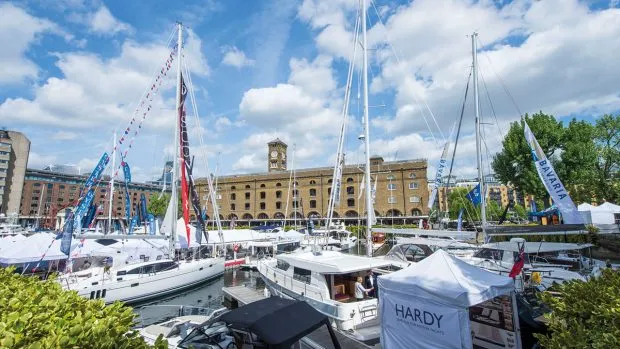 Photo: London Boat Show, via keyassets.timeincuk.net
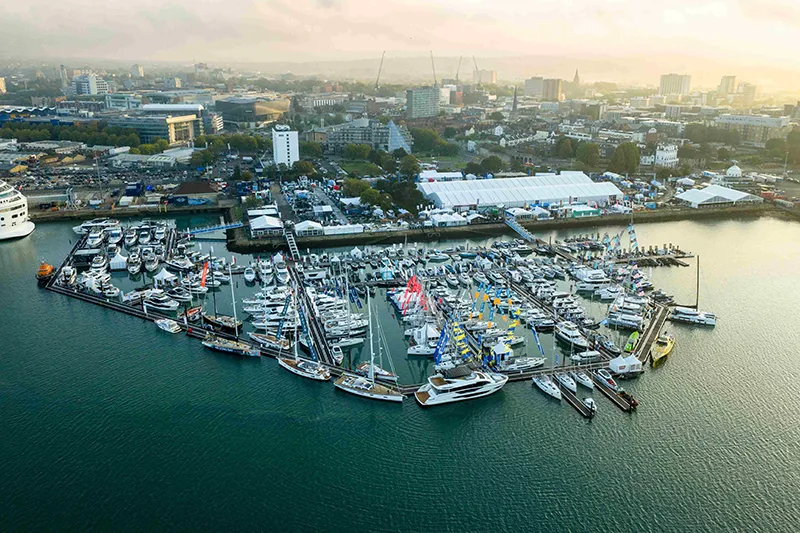 Photo: Southampton Boat Show, via www.allatsea.co.uk
Joining marine industry associations, even as associate members, can provide access to industry publications and networking events where liquidation opportunities first surface. The British Marine Federation and regional marina associations often welcome businesses that support the marine sector.
Local harbour masters and marina managers often possess intimate knowledge of which operations face financial difficulties. Building relationships with these professionals can provide early warnings of upcoming opportunities.
The Practical Side of Marine Buying
Marine liquidations present unique logistical challenges that deter many potential buyers. Heavy equipment often requires specialist lifting gear and transportation. Waterfront locations may restrict access to standard delivery vehicles.
Timing matters critically in marine liquidations. Seasonal businesses often liquidate during winter months when cash flow problems peak. Understanding these patterns helps position buying opportunities when sellers face maximum pressure.
Environmental considerations affect many marine liquidations. Fuel systems, hydraulic fluids, and antifouling paints require careful handling and disposal. Successful buyers factor these costs into their calculations rather than discovering them after purchase.
Many marine assets require specialist knowledge for proper evaluation. Bringing technical experts to liquidation viewings can prevent costly mistakes and identify hidden opportunities that less informed buyers miss entirely.
Britain's maritime heritage creates ongoing opportunities for businesses willing to explore beyond traditional wholesale channels. While marine liquidations require different approaches and specialist knowledge, they offer access to high-quality assets at prices that reflect industry distress rather than equipment value.