Container Lottery: Mining Gold from Britain's Abandoned Port Freight Auctions
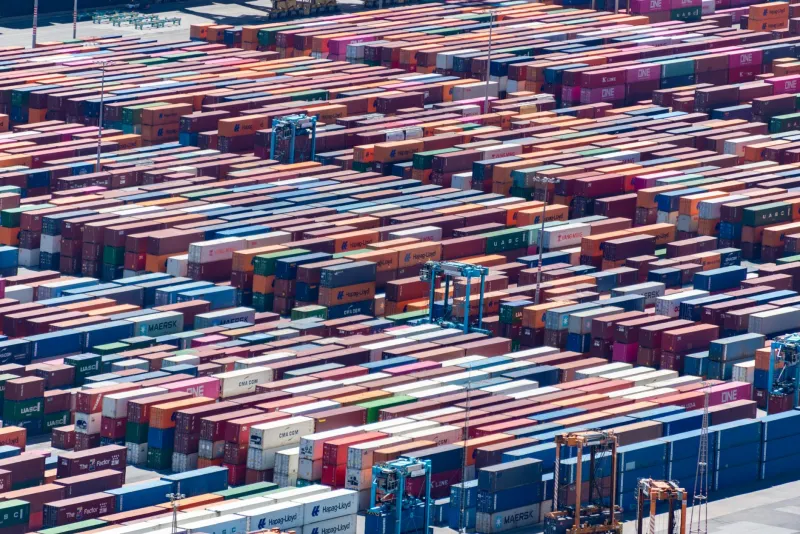
Britain's Forgotten Freight Mountain
Across the UK's major ports, a steady stream of containers arrives with no one to claim them. Shipping delays, business failures, incorrect documentation, or simple abandonment mean thousands of pounds worth of goods accumulate in bonded warehouses, waiting for their next chapter.
This isn't some underground market – it's a legitimate disposal process governed by HM Revenue & Customs and port authorities. When goods remain unclaimed beyond statutory periods, they're sold at public auction to recover storage costs and clear valuable warehouse space.
The twist? Buyers often purchase entire container loads without knowing exactly what's inside, creating opportunities for those brave enough to gamble on mixed cargo.
The Major Players in Port Auctions
Felixstowe, handling 40% of UK container traffic, runs monthly disposal auctions through appointed agents. Southampton and Liverpool follow similar patterns, whilst smaller ports like Hull and Immingham offer more intimate sales with fewer competing bidders.
Each port operates differently. Felixstowe typically sells entire container loads, whilst Southampton often breaks down cargo into smaller lots. Liverpool's auctions frequently feature vehicles alongside general cargo, reflecting its automotive import focus.
Port of London Authority handles Thames-side disposals, including river freight that's particularly rich in construction materials and industrial supplies. These sales attract fewer retail-focused buyers, potentially offering better value for businesses in relevant sectors.
 Photo: Port of London Authority, via pbs.twimg.com
Understanding the Auction Process
Registration requirements vary by port but typically involve providing business credentials and proof of VAT registration. Some auctioneers require deposit payments or credit checks before allowing participation.
Viewing days are crucial but limited. You might get 2-3 hours to inspect dozens of container loads, so arrive with a clear strategy. Bring a torch, wear appropriate clothing, and don't expect pristine conditions – you're viewing goods that have been in storage for months.
Bidding can be fierce for obviously valuable lots. Electronics, branded clothing, and automotive parts attract experienced traders willing to pay premium prices. Look for less obvious opportunities – industrial components, textiles, or seasonal goods that others might overlook.
Calculating Your Risk-Reward Ratio
Successful port auction buying requires cold-headed mathematics. Start with the auction estimate, then factor in VAT, buyer's premiums (typically 15-25%), collection costs, and potential disposal fees for unwanted items.
Transport logistics can devastate profits. A £500 container lot becomes expensive if you need specialist lifting equipment or long-distance haulage. Many successful buyers operate within 50 miles of their target ports and maintain relationships with local transport firms.
Storage considerations matter too. Winning a 40-foot container means finding space for potentially 30 tonnes of mixed goods. Factor in sorting time, disposal costs for damaged items, and the working capital tied up whilst you process inventory.
What Actually Comes Through the System
Electronics feature heavily, from consumer gadgets to industrial equipment. However, technology goods carry higher risks – obsolescence, compatibility issues, and potential warranty problems. Clothing and textiles offer more predictable value but require fashion knowledge and established sales channels.
Construction materials and tools appear regularly, particularly in industrial ports. These items often retain value well and appeal to established trade buyers. Automotive parts can be goldmines for specialists but require technical knowledge to assess properly.
Seasonal goods create interesting opportunities. Christmas decorations appearing in March might seem worthless but could be perfect for businesses planning ahead. Garden furniture in November faces limited immediate demand but offers potential for spring profits.
Legal Framework and Customs Clearance
All port auction goods require proper customs clearance, even if sold domestically. Auctioneers typically handle basic procedures, but buyers remain responsible for ensuring compliance with UK import regulations.
Some goods may face restrictions or require additional licensing. Electrical items need conformity marking, whilst certain textiles or chemicals might face regulatory hurdles. Factor in potential compliance costs when bidding.
Keep detailed records of all purchases. HMRC may require documentation proving legitimate acquisition, particularly for high-value electronics or branded goods. Auction houses provide basic receipts, but maintaining comprehensive records protects against future complications.
Building Your Port Auction Strategy
Start by attending auctions as an observer to understand local dynamics and pricing patterns. Different ports attract different buyer types – knowing your competition helps identify opportunities.
Specialise initially rather than bidding randomly. Focus on sectors you understand, whether that's electronics, clothing, or industrial goods. Broad knowledge beats scattered gambling every time.
Develop relationships with port staff and regular buyers. Information about upcoming sales or unusual lots can provide competitive advantages. Professional networking in this niche market often proves more valuable than aggressive bidding.
Most importantly, set strict financial limits before attending auctions. The excitement of bidding can quickly overwhelm rational decision-making. Successful port auction buyers treat it as a calculated business activity, not a treasure hunt.
Port freight auctions represent genuine opportunities for UK entrepreneurs willing to embrace uncertainty and risk management. With proper preparation and realistic expectations, they offer access to wholesale quantities at genuine discount prices.