Wholesale or Wool Over Your Eyes? How to Tell the Difference Before It Costs You
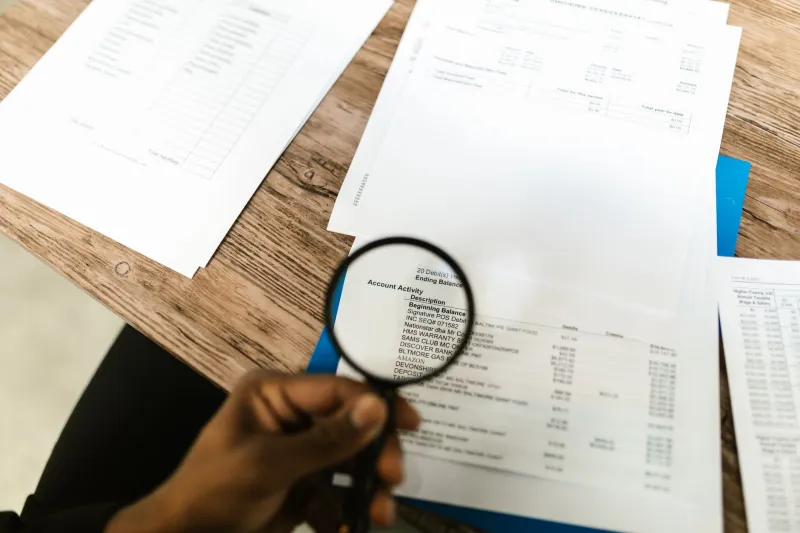
There's a dirty little secret floating around the UK trade buying world, and it's costing small businesses real money every single month. A surprising number of suppliers who market themselves as wholesalers are nothing of the sort. They're retailers — sometimes quite ordinary ones — who've slapped a trade login page on their website, invented a minimum order quantity, and started calling themselves B2B.
The result? You think you're buying at cost-plus-margin. You're actually buying at retail-minus-a-tenner. Your perceived competitive edge evaporates before the stock even arrives.
So how do you tell the genuine article from the imposter? It takes a bit of legwork, but the checks aren't complicated.
The Price Comparison Test Is Your First Line of Defence
This sounds almost too obvious, but you'd be surprised how many buyers skip it. Before committing to any new supplier, spend twenty minutes running their prices against public retail channels. Check Amazon, eBay sold listings, and a few specialist retail sites in that product category.
If a so-called wholesaler is pricing a product at £18 per unit and you can find the same item on clearance at a high street retailer for £22, that's a red flag. True wholesale pricing should sit noticeably below retail — typically 40 to 60 per cent, sometimes more depending on category and volume. A supplier offering you 10 to 15 per cent off what you'd pay at Argos isn't a wholesaler. They're a retailer with a trade account page.
Make this check habitual. Build a small spreadsheet, pick five representative products, and benchmark them. It takes ten minutes and it'll save you from some genuinely expensive mistakes.
Check the VAT Number and Companies House Filing
Every legitimate UK wholesaler trading above the VAT threshold should have a registered VAT number. Ask for it. Then verify it using HMRC's online VAT number checker — it's free and takes thirty seconds. A company that hesitates or gives you a number that doesn't check out is worth walking away from immediately.
While you're at it, pull their Companies House record. What's their registered SIC code? A company registered under retail trade codes but presenting itself as a wholesale operation deserves a second look. Check how long they've been trading, who the directors are, and whether their filed accounts suggest the kind of turnover you'd expect from a genuine trade supplier. A business turning over £80,000 a year is not running a wholesale operation at any meaningful scale.
None of this takes long. Companies House is free to search. Make it part of your onboarding process for any new supplier relationship.
The Minimum Order Quantity Tells a Story
Real wholesalers have MOQs because they're moving volume. That's the whole point of the model — bulk purchasing drives down unit cost, and those savings get passed along the chain. If a supposed wholesaler is happy to sell you two units of something at their 'wholesale rate,' that should raise an eyebrow.
Now, MOQs vary wildly by sector. A wholesaler dealing in industrial components might want a minimum spend of £500. A fashion accessories supplier might be fine with a twelve-piece minimum. But if there's no meaningful minimum — or if the minimum is so low it would make sense for a consumer to buy there too — you're probably not dealing with a genuine trade-only operation.
Ask directly: what's your minimum order, and why? How a supplier answers that question tells you a lot about how they actually operate.
Ask About Their Supply Chain
A genuine wholesaler knows exactly where their stock comes from. They'll be able to tell you whether they're buying direct from manufacturers, importing from specific regions, or operating as a distributor for particular brands. They'll often have documentation — supplier agreements, import records, brand authorisation letters.
A retailer playing at wholesale will often get vague here. They'll talk about 'various sources' or 'a range of suppliers' without being able to name them. Press them. Ask for a manufacturer's certificate or a brand distribution agreement for any branded product. If they can't or won't provide it, that's meaningful information.
It's also worth asking whether they sell to the general public. Some legitimate trade suppliers do operate a consumer-facing arm alongside their B2B operation, but if their 'wholesale' prices are the same as what a member of the public could access with a discount code, the model isn't what they're claiming.
Trade References and Industry Forums Are Underused Tools
UK trade forums — whether sector-specific communities on Reddit, Facebook groups for market traders, or industry association boards — are goldmines for supplier reputation checks. Post a question asking whether anyone has dealt with a particular company. You'll often get candid answers within hours.
You can also ask a potential supplier directly for trade references. Any established wholesaler should be able to point you toward existing customers willing to vouch for them. If they can't name a single satisfied trade buyer, that's telling.
The UK Federation of Wholesale Distributors maintains a membership directory that's worth bookmarking. Membership doesn't guarantee a perfect supplier, but it does suggest a company has submitted to some level of industry scrutiny.
When in Doubt, Test With a Small Order First
Even after doing your homework, sometimes the proof is in the purchase. Place a small initial order — the minimum you can get away with — and examine what arrives. Check the packaging, the product quality, the delivery documentation. Does the invoice look like a trade document or a consumer receipt? Is there a VAT breakdown? Are the products as described?
A genuine wholesaler will process your order professionally, provide proper trade documentation, and deliver exactly what was agreed. A retailer moonlighting as a supplier will often slip up in the details — wrong labelling, consumer-facing packaging inserts, or fulfilment that looks suspiciously like it came from a dropshipping arrangement rather than a warehouse.
Trust your instincts here. If something feels off about how an order was handled, it probably is.
Protecting Your Margins Starts With Protecting Your Information
Here's the bigger picture point: every pound you overpay to a fake wholesaler is a pound that doesn't show up in your margin. Over a year of buying, those inflated costs compound into a real competitive disadvantage. Your rivals who've done the due diligence are buying at genuine wholesale rates and pricing you out of the market without you even knowing why.
The good news is that the checks described here are quick, free, and entirely within reach of any small business. Make them routine. Build them into your supplier onboarding process. And treat any supplier who resists basic scrutiny as one who probably has something to hide.
Real wholesalers welcome the questions. They know their value. It's the imposters who get cagey.