Wholesale or Wishful Thinking? How to Tell If You're Actually Getting a Trade Price
Here's an uncomfortable truth nobody in the trade likes to say out loud: a huge chunk of what gets marketed as 'wholesale' in the UK isn't wholesale at all. It's retail with a lick of jargon painted over it. Somewhere between the legitimate cash-and-carry and your till sits a murky middle layer of inflated middlemen, directory-listing merchants, and outright chancers — all of them quite happy to take your money while you believe you're buying smart.
The good news? Their tricks aren't hard to spot once you know what you're looking for.
Why 'Wholesale' Has Become a Marketing Word
There's no legal definition of wholesale in the UK. Anyone can call themselves a wholesaler. That's the root of the problem. A seller who buys a pallet of goods from a genuine distributor, splits it into smaller lots, and marks everything up 40% can still put 'trade prices' in their header and nobody's breaking any rules.
This is particularly common in product categories with high search volume — think phone accessories, kitchen gadgets, seasonal gifts, and health products. These niches attract opportunists because the genuine pricing benchmarks are harder to find and buyers are often newer to trade purchasing.
The result is a landscape where you might think you're paying £1.20 per unit on a trade deal when the actual wholesale price from a legitimate distributor is 65p. That gap is your margin, quietly being eaten alive before you've sold a single thing.
The Benchmark Test: Your First Line of Defence
Before committing to any supplier you're not already familiar with, run a comparative benchmark across at least three sources. This doesn't have to be complicated.
Start with a quick check on the major legitimate trade platforms — Faire, Ankorstore, and direct manufacturer websites are good starting points. Then cross-reference with established UK cash-and-carries and sector-specific distributors. If your 'wholesale' supplier's prices are consistently higher than what you're finding on these platforms, that's your answer.
Also worth doing: check the supplier's product listings against the same items on Amazon or eBay. If the 'trade price' you're being offered is only marginally below what a consumer can buy the same item for at retail, you're not looking at a wholesale deal. You're looking at retail with a thin veneer stripped off.
Red Flags That Should Make You Pause
Fake wholesalers tend to share certain habits. Watch out for these:
Vague company history. Legitimate wholesalers usually have a trading history, physical premises, and are registered with Companies House. A slick website with no verifiable address and a domain registered six months ago deserves extra scrutiny.
No trade account process. Real wholesalers typically want to know you're a genuine business. If a supplier is happy to sell to absolutely anyone with a debit card and no questions asked, that's not a trade operation — it's a retail shop with delusions of grandeur.
Minimum orders that are suspiciously low. Genuine wholesale pricing is tied to volume. A supplier offering 'wholesale rates' on orders of three units isn't operating a wholesale model. They're a retailer.
Price lists that don't change. Authentic wholesale pricing fluctuates with commodity costs, exchange rates, and supplier terms. If a site's prices look like they haven't moved in two years, something's off.
Membership required to see prices. We'll cover this in more detail elsewhere, but asking you to pay before you can even see what things cost is a classic pressure tactic used by operations whose prices won't survive comparison shopping.
How to Verify a Supplier Is the Real Deal
A few practical steps that take minutes but can save you hundreds:
Check Companies House. It's free. Look up the business, check when it was incorporated, who the directors are, and whether filed accounts suggest a trading operation of any meaningful scale.
Ask for trade references. Any legitimate wholesaler will be comfortable providing references from existing trade customers. Hesitation or deflection here is telling.
Request a sample invoice or price list before committing. This lets you compare their pricing structure against alternatives without any financial exposure.
Search trade forums. UK-specific communities on Reddit (r/smallbusiness), Facebook Groups for independent retailers, and sector-specific forums are goldmines of honest supplier feedback. If a company is pulling the wool over buyers' eyes, someone's usually already said so.
Call them. It sounds basic, but many pseudo-wholesalers operate entirely online and go quiet when you try to have a real conversation. A legitimate trade supplier will have someone who can discuss your requirements, talk through logistics, and answer product questions without reading off a script.
The Margin Maths You Need to Do Before Every New Supplier
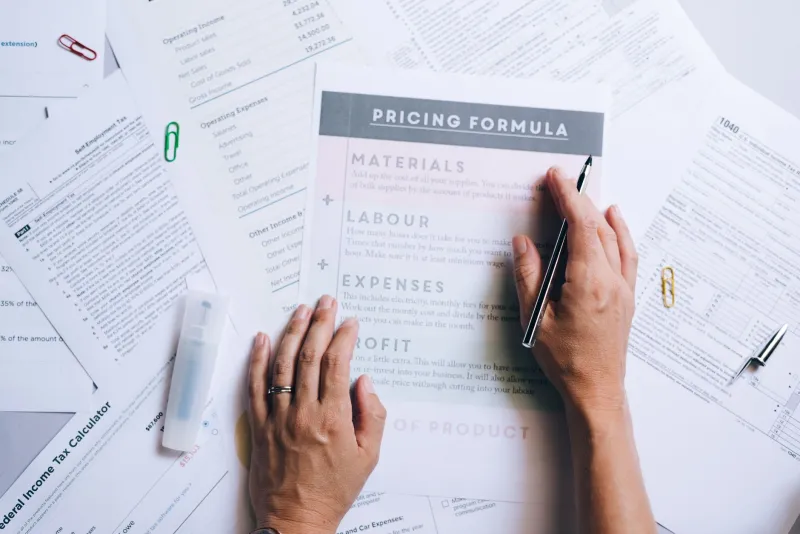
This is the bit most buyers skip, and it's where the damage happens. Before you place any order with a new supplier, work backwards from your intended retail price.
If you plan to sell a product at £15, you need to be buying it at a price that leaves room for your overheads, your time, and an actual profit margin. A common rule of thumb for independent retail is a minimum 2.5x markup on cost price, though this varies by sector.
So on a £15 retail price, you'd want to be paying no more than £6 per unit — ideally less. If your 'wholesale' supplier is charging you £9, you're not buying wholesale. You're buying at a price that makes your business model unviable.
Doing this calculation before you commit isn't pessimism — it's the bare minimum of professional buying.
The Bottom Line
The wholesale market is full of genuinely brilliant deals for small businesses who know how to find them. But it's also full of people who've learned that 'wholesale' is a magic word that makes buyers switch off their critical thinking.
Don't let that be you. Benchmark obsessively, verify before you buy, and never let a slick landing page substitute for actual due diligence. Your margins depend on it.