Beyond the Brochures: How Savvy UK Entrepreneurs Turn Trade Shows Into Discount Goldmines
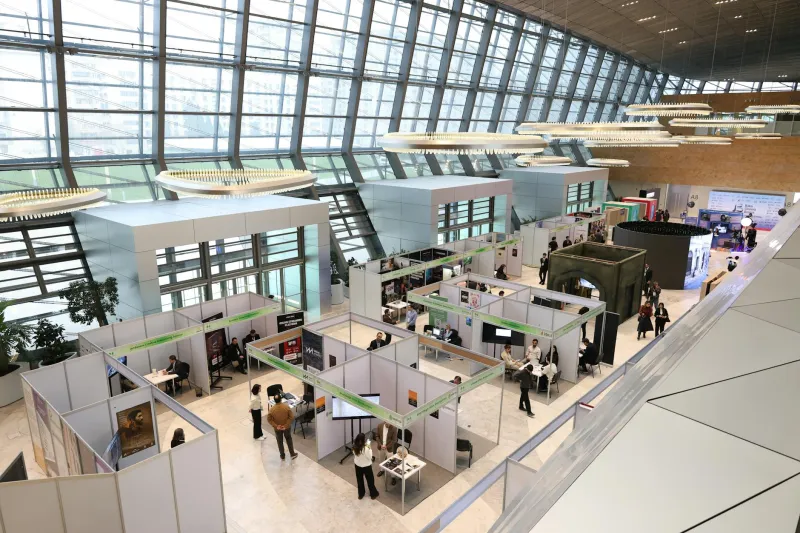
Walk through any major UK trade exhibition—whether it's the Spring Fair at Birmingham NEC or the London Toy Fair at Olympia—and you'll witness a fascinating economic dance. While most attendees focus on product launches and networking opportunities, a select group of switched-on entrepreneurs are quietly securing deals that would make traditional wholesale buyers weep with envy.
The secret? Understanding that trade shows operate on entirely different economic principles than normal business transactions.
The Psychology of Exhibition Economics
Exhibitors arrive at trade shows with massive investments already sunk. Stand rentals, staff travel, accommodation, promotional materials—costs that can easily reach £15,000-£25,000 before they've spoken to a single customer. This creates a unique pressure cooker environment where normal pricing rules simply don't apply.
By day three of a four-day show, exhibitors start calculating differently. Every unsold item represents not just lost revenue, but additional transport and storage costs. Smart buyers recognise this shift and time their serious negotiations accordingly.
Consider the mindset of a supplier who's travelled from Manchester to London, paid for exhibition space, and watched competitors secure orders while their stand remains quiet. Suddenly, a 30% discount doesn't seem unreasonable—it seems like salvation.
Pre-Show Intelligence Gathering
Successful trade show bargain hunting begins weeks before you set foot in the venue. Start by studying the exhibitor list methodically. Don't just look at the big names—identify suppliers you've never heard of, particularly international exhibitors making their UK debut.
New-to-market suppliers often arrive with aggressive pricing strategies designed to establish market presence quickly. They're typically more flexible on minimum order quantities and willing to offer exclusive territorial deals that established suppliers wouldn't consider.
Research each target supplier's product range online, but more importantly, check their social media activity leading up to the show. Companies posting about 'exclusive show offers' or 'limited-time exhibition pricing' are telegraphing their willingness to negotiate.
Reach out via LinkedIn or email before the show. A message like 'Looking forward to discussing potential partnership opportunities at your stand' often secures you priority attention when the venue gets crowded.
Strategic Timing: When the Real Deals Emerge
Most trade show attendees arrive bright and early on day one, eager to see everything. Experienced deal hunters know this is precisely the wrong approach. Day one pricing reflects exhibitors' optimistic expectations about the show's potential.
The golden window typically opens on the final afternoon. Exhibitors start eyeing their remaining stock and calculating transport costs. International suppliers face particularly acute pressure—shipping samples back overseas often costs more than accepting aggressive offers from UK buyers.
However, don't wait until the final hour. Start relationship building early, but save your serious purchase discussions for day two onwards. Use early conversations to establish credibility and gauge interest levels, then return when the commercial pressure intensifies.
The Art of Exhibition Negotiation
Trade show negotiations require a completely different approach than traditional wholesale discussions. The environment is noisy, time-pressured, and emotionally charged. Exhibitors are simultaneously trying to impress visitors, manage existing customer relationships, and secure new business.
Start with genuine interest in their products rather than immediate price discussions. Ask about production capabilities, quality certifications, and delivery timeframes. This positions you as a serious buyer rather than a price-shopping time-waster.
When you do raise pricing, frame it around volume commitments and long-term relationships. 'We're looking to establish a core supplier relationship for this product category' carries more weight than 'What's your best price?'
Leverage the competitive environment subtly. Mentioning that you're 'evaluating several suppliers at the show' creates urgency without appearing threatening. Exhibitors know their competitors are literally metres away.
End-of-Show Opportunities: The Final Hour Gold Rush
The last two hours of any trade show create extraordinary opportunities for prepared buyers. Exhibitors face stark choices: accept discounted offers or pay to transport display stock home. Many prefer to cut their losses and move inventory quickly.
This is when sample stock, demonstration units, and excess inventory become available at genuinely ridiculous prices. A furniture supplier might sell their entire display collection rather than arrange collection and transport. Electronics exhibitors often offer demonstration units at cost price rather than dealing with return logistics.
Be prepared to move fast during these final hours. Have payment methods ready and transport arrangements in place. Cash payments or immediate bank transfers often secure additional discounts when exhibitors want to close deals quickly.
Building Long-Term Supplier Relationships
The biggest mistake trade show bargain hunters make is treating exhibitions as one-off discount opportunities. The real value lies in establishing relationships that generate ongoing preferential pricing.
Follow up promptly after the show. Send thank-you messages, place initial orders as discussed, and maintain regular contact. Suppliers remember buyers who deliver on their commitments and often offer these relationships priority access to future deals.
Consider attending the same exhibitions annually. Suppliers begin to recognise serious buyers and often prepare special offers specifically for returning customers. Your reputation as a reliable trade show buyer becomes a valuable asset in itself.
Maximising Smaller Regional Shows
While major exhibitions like those at NEC Birmingham grab headlines, regional trade shows often provide better opportunities for small business buyers. Local suppliers at Manchester Central or Glasgow SEC face lower competition for attendee attention and often offer more personalised service.
Regional exhibitions also attract suppliers testing new markets or product lines. These companies typically arrive with flexible pricing strategies and willingness to establish relationships with smaller buyers who might grow into major customers.
The Financial Framework
Before attending any trade show, establish clear financial parameters. Decide your maximum spend, preferred payment terms, and minimum margin requirements. The exhibition environment can be intoxicating, and it's easy to make emotional purchasing decisions that look questionable in cold daylight.
Budget for immediate payments. Many end-of-show deals require cash or instant bank transfers. Suppliers clearing stock quickly often can't wait for standard payment terms.
Consider the total cost of acquisition, including transport, storage, and any additional processing required. A 50% discount loses its appeal if you need to spend additional money preparing products for resale.
Beyond Products: Service and Support Opportunities
Smart trade show attendees don't just hunt for product discounts—they negotiate enhanced service packages. Free training, extended warranties, marketing support, and flexible return policies often have more long-term value than pure price reductions.
Suppliers competing for new customers frequently bundle additional services that would normally carry premium charges. These extras can differentiate your offering to end customers and improve your overall margins.
The key lies in treating trade shows not as shopping expeditions, but as strategic business development opportunities where price is just one element of the value equation.