From Poundland to Profit: The Secret Supply Routes That Feed Britain's Discount Empire
The Hidden World Behind Britain's Bargain Shelves
Walk into any Poundland, B&M, or Home Bargains, and you'll find an eclectic mix of branded goods selling for a fraction of their original retail price. Ever wondered how these discount giants consistently source such diverse inventory? The answer lies in a sophisticated network of intermediary wholesalers who specialise in mopping up discontinued lines, seasonal overstock, and end-of-line products from major manufacturers.
These middlemen operate in the shadows of British retail, buying up unwanted inventory by the lorryload and redistributing it through discount channels. What most small business owners don't realise is that these same wholesalers often have excess capacity and are perfectly willing to deal with independent retailers who know how to approach them correctly.
Decoding the Discount Chain Supply Matrix
The discount retail supply chain operates on a three-tier system that most entrepreneurs never see. At the top sit the major manufacturers and brand owners, desperate to clear slow-moving stock without damaging their premium retail relationships. In the middle are specialist clearance wholesalers who buy these goods in massive quantities, often sight unseen. At the bottom are the discount retailers themselves, who cherry-pick what they want from these intermediaries.
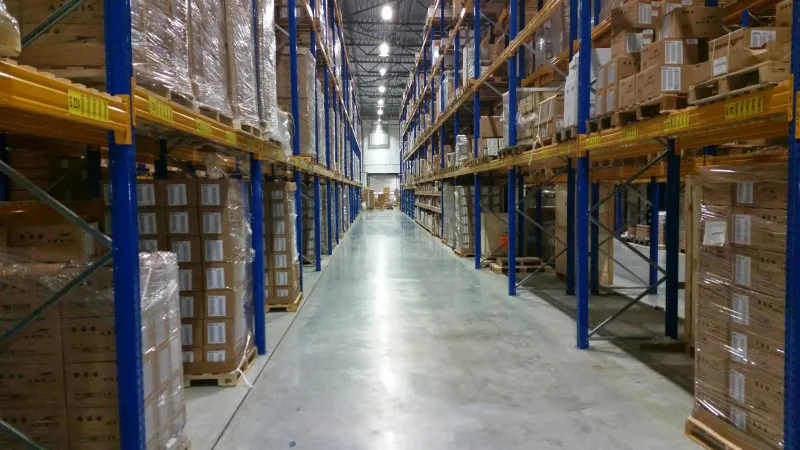
The key insight for small business owners is that the middle tier often has more stock than the discount chains can absorb. These wholesalers maintain vast warehouses across Britain, from industrial estates in Stoke-on-Trent to converted aircraft hangars in East Anglia, packed with goods that could transform your margins if you knew how to access them.
 Photo: East Anglia, via cdn.slidesharecdn.com
Finding the Invisible Wholesalers
Identifying these intermediary suppliers requires detective work rather than Google searches. Most operate without flashy websites or sales teams, preferring to work through established relationships and word-of-mouth referrals. Start by observing patterns in discount store inventory – when you see the same unusual branded products appearing across multiple chains simultaneously, you've likely identified a line that's been distributed through one of these specialist wholesalers.
The most productive approach involves networking within the discount retail community itself. Many store managers and regional buyers are surprisingly forthcoming about their supply sources when approached professionally. Trade publications like Retail Week often contain cryptic references to clearance deals that can provide leads worth following up.
Another effective strategy involves monitoring company dissolution notices and administration announcements. When major retailers enter administration, their remaining stock often ends up with these specialist clearance houses within weeks.
The Golden Categories for Maximum Margins
Not all discount inventory offers equal profit potential. Seasonal goods represent the most lucrative opportunity, particularly Christmas decorations, Easter products, and summer garden items that major retailers need to clear rapidly. These items often sell for 10-15% of their original wholesale price when bought through clearance channels.
Cosmetics and personal care products offer exceptional margins, especially when major brands discontinue packaging designs or reformulate products. The shelf life on these items is typically generous, and consumer demand remains strong regardless of whether the packaging represents the current season's look.
Toys and games present another goldmine, particularly when major retailers over-order for Christmas or when new safety regulations render existing stock unsaleable in traditional channels. Many of these products can be resold at 300-400% markup while still offering customers significant savings versus high street prices.
Structuring Your Approach for Success
When approaching clearance wholesalers, presentation matters enormously. These operators deal with established retailers who buy in serious quantities, so arriving with a professional business plan and evidence of your retail capability is essential. Prepare detailed information about your current turnover, storage facilities, and distribution channels.
Payment terms in this sector are typically harsh – expect to pay upfront or within seven days, with no returns policy. However, the potential margins more than compensate for these challenging terms if you've done your homework properly.
Minimum order quantities can be substantial, often requiring you to buy entire pallet loads or even container quantities. This is where creative thinking pays dividends – consider partnering with other small retailers to meet minimum orders, or focus on high-value, compact items that don't require massive storage commitments.
Avoiding the Common Pitfalls
The biggest mistake new entrants make is failing to understand why particular stock became available for clearance. Products discontinued due to safety concerns or regulatory changes can create massive headaches for unsuspecting buyers. Always request detailed information about the reason for clearance and any relevant compliance documentation.
Another common trap involves buying seasonal stock at the wrong time. Christmas decorations bought in January might seem like a bargain, but storage costs over eleven months can eliminate your profit margin entirely. Focus on items with year-round appeal or ensure you have adequate free storage space.
Quality control becomes your responsibility when dealing with clearance stock. Unlike traditional wholesale relationships, these suppliers rarely offer any form of warranty or returns policy. Budget for a certain percentage of damaged or unsaleable items in your calculations.
Building Long-Term Relationships
Success in this sector depends heavily on developing trusted relationships with key wholesalers. These operators value reliability above all else – they need buyers who can make quick decisions and honour their commitments without complications.
Once you've proven yourself with smaller orders, many clearance wholesalers will offer you first refusal on particular categories of stock. This insider access can transform your business, giving you consistent access to premium branded goods at prices that make your competitors weep.
The discount supply chain represents one of Britain's most overlooked wholesale opportunities. For entrepreneurs willing to invest time in understanding how it works and building the right relationships, it offers a direct route to the same inventory advantages that have made discount retail one of the UK's most resilient and profitable sectors.