Depot Dividends: Why Haulage Consolidation Hubs Are the UK's Most Overlooked Wholesale Source
Depot Dividends: Why Haulage Consolidation Hubs Are the UK's Most Overlooked Wholesale Source
There's a quiet revolution happening in the loading bays of Britain's logistics network. While most small business owners are hammering refresh on auction sites or trawling wholesale directories, a growing number of savvy entrepreneurs have found a far more direct route to cheap stock — and it involves getting on first-name terms with a depot manager.
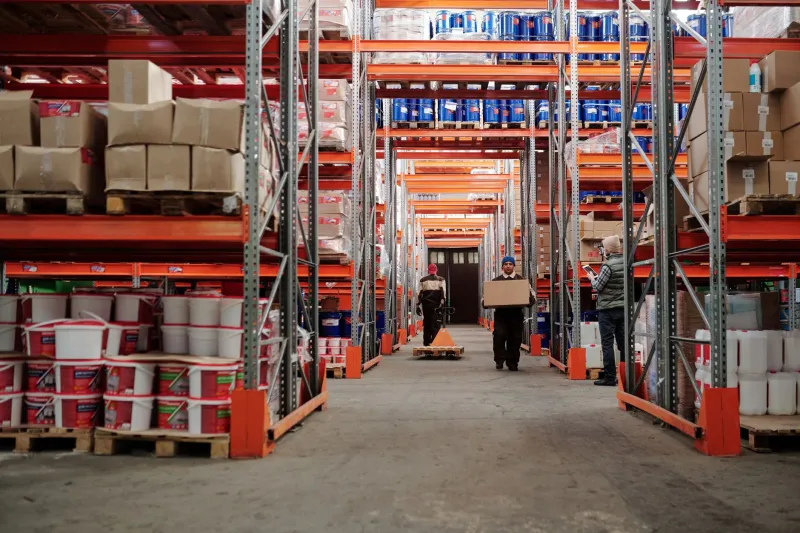
Pallet network consolidation depots — the regional sorting and transfer hubs operated by companies like Pall-Ex, Palletways, and Tuffnells — process millions of palletised shipments every year. And within that enormous flow of freight, a steady trickle of goods gets separated from its paperwork, damaged in transit, refused by recipients, or simply left uncollected. That stock has to go somewhere. The question is whether it goes to you or to an auction house.
What Actually Happens to Surplus Depot Stock?
When a pallet arrives at a consolidation hub and can't be forwarded — because it's been refused, the consignee has gone bust, or the goods have been damaged beyond what the original recipient will accept — the depot has a problem. Storage space is finite and expensive. Holding unclaimed freight indefinitely isn't an option.
Depending on the depot's policies and the nature of the goods, surplus stock typically follows one of a few paths. Some gets returned to the original sender. Some is flagged to insurers. And a portion — particularly lower-value or perishable goods — gets quietly disposed of, often through informal arrangements with trusted local buyers who can move it fast without fuss.
That last category is where you want to position yourself.
The types of goods that regularly surface in this way are surprisingly varied. Building materials, household goods, electrical items, clothing overruns, food and drink (within date), garden equipment, tools, and flat-pack furniture all make regular appearances. The condition ranges from pristine to lightly scuffed, but the prices reflect the depot's need for a quick, clean solution rather than the retail value of the goods.
How to Find the Right Depots to Approach
Start by identifying the major pallet network operators with regional depots near you. The UK's main networks — Pall-Ex, Palletways, Tuffnells, DPD Freight, and Panther Logistics, among others — all operate spoke-and-hub models with dozens of regional member depots. Many of these regional spokes are run by independent hauliers who have significant autonomy over how they handle surplus freight.
A quick search of pallet network member directories will give you a list of local operators. Cross-reference these with Google Maps to find depots within a sensible driving distance — you want to be able to collect at short notice when something good comes in.
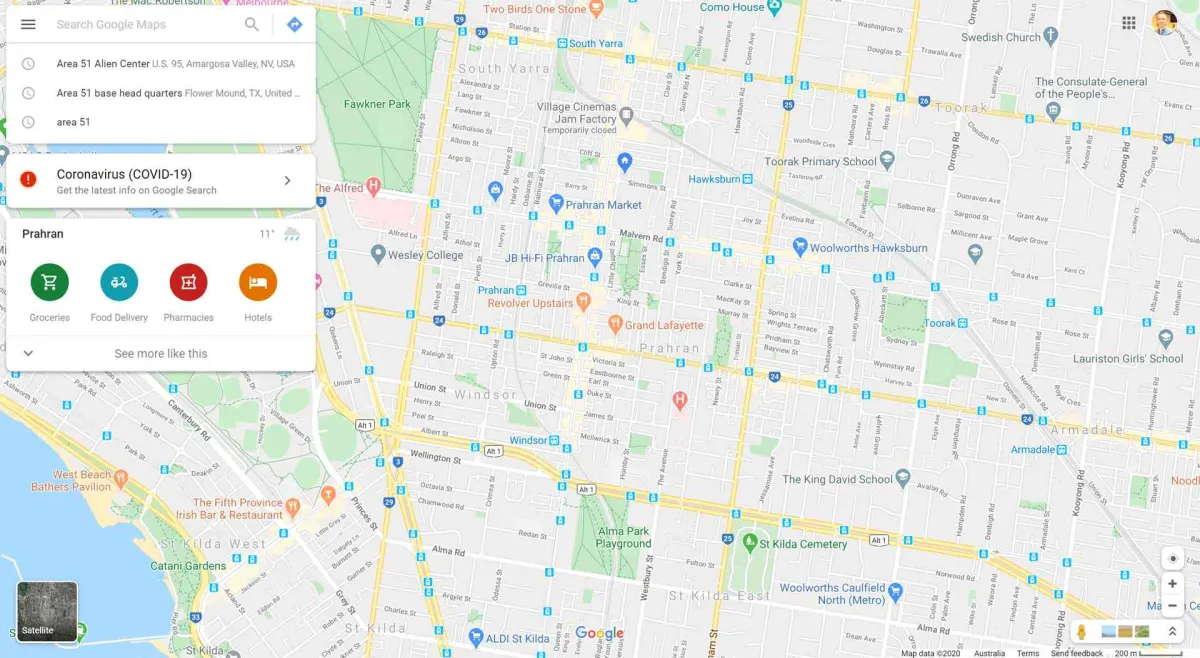 Photo: Google Maps, via www.lifewire.com
It's also worth paying attention to industrial estates in your area. Consolidation depots tend to cluster around motorway junctions and ring roads, and you've probably driven past several without knowing what goes on inside.
Making the Approach Without Getting Shown the Door
This is where a lot of people go wrong. Turning up unannounced and asking if they've got any cheap stock to shift is the fastest way to get a polite brush-off. Depot managers are busy people dealing with tight operational schedules. You need to give them a reason to take you seriously.
The smarter move is to call ahead and ask specifically to speak to the depot manager or operations supervisor — not the general enquiries line. When you get through, keep it brief and professional. Explain that you're a local business buyer looking to take surplus, refused, or damaged freight off their hands quickly and without hassle. Emphasise the words quickly and without hassle — that's what matters to them.
Offer to visit in person to discuss terms. Bring a business card, a brief one-page summary of what you buy and your typical volumes, and — crucially — evidence that you can pay promptly. A letter from your bank or a reference from another supplier goes a long way.
The goal of the first meeting isn't to buy anything. It's to become a known, trusted contact who gets a call before anyone else when something interesting lands.
Building a Relationship That Pays Off Long-Term
Once you've established initial contact, consistency is everything. Check in regularly — a quick phone call or a visit every couple of weeks keeps you front of mind. When you do get offered stock, turn up when you say you will, pay promptly, and take what you've agreed to take without renegotiating at the last minute. Depot managers talk to each other, and a reputation as a reliable buyer opens doors across the network.
Some buyers sweeten the relationship with small gestures — a box of biscuits, a round of coffees — without crossing into anything that could be misconstrued. It's less about bribery and more about being a human being rather than just another transaction.
As trust builds, you may find yourself getting first refusal on entire pallets before they're even formally logged as surplus. That's the sweet spot: stock that hasn't entered any formal disposal process, available at prices that reflect pure convenience value rather than any kind of market rate.
What to Watch Out For
Not every depot will be open to this kind of arrangement, and it's important to respect that. Some are bound by network-wide policies on how surplus freight must be handled, particularly if insurance claims are involved. Never push for goods that are clearly subject to an active claim or dispute — the short-term gain isn't worth the legal exposure.
Always ask for a basic description of the goods before you commit, and make clear you're buying as-seen with no returns. Keep a simple paper trail of what you've paid and what you've received, even if the arrangement is informal. And make sure you have appropriate storage in place before you start — turning up to collect a pallet of power tools with only a hatchback is not a great look.
The Bottom Line
Consolidation depots aren't a magic money tap, and they won't replace your existing wholesale relationships. But as a supplementary sourcing channel — particularly for businesses in retail, trade, or resale — they represent a genuinely underexploited opportunity. The stock is real, the prices can be extraordinary, and the competition from other buyers is, for now, remarkably thin.
Get in early, build the relationships properly, and you'll have a sourcing edge that most of your competitors don't even know exists.