Dawn Raid Deals: How Smart UK Traders Are Mining Car Boot Sales for Hidden Wholesale Treasures

The Professional's Approach to Britain's Biggest Informal Market
Every weekend, millions of pounds worth of goods change hands across Britain's car boot sales. Whilst most attendees wander casually between stalls hunting bargains, a growing network of professional buyers operates with military precision—arriving before dawn, targeting specific seller types, and negotiating bulk deals that would impress any wholesale buyer.
The scale is enormous. Newark's International Antiques and Collectors Fair attracts over 2,500 stalls twice monthly. Swinderby Airfield near Lincoln hosts 1,000+ sellers weekly during peak season. These aren't just casual clearouts—they're informal trading floors where serious money gets made by those who understand the dynamics.
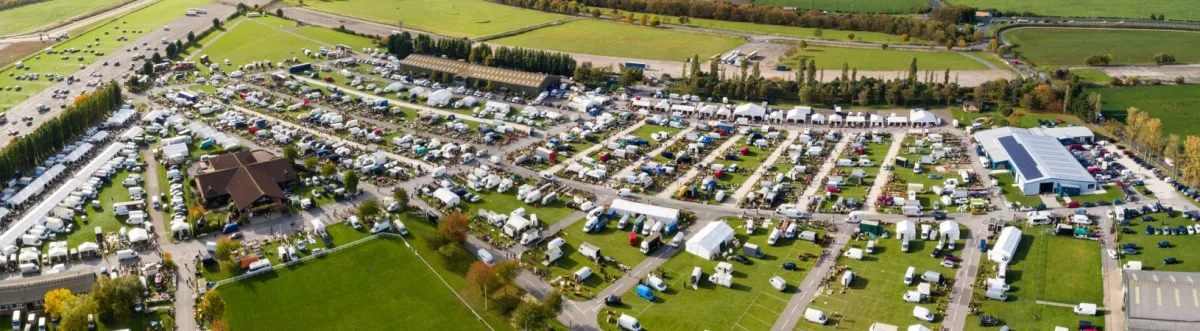 Photo: Newark's International Antiques and Collectors Fair, via www.newarkshowground.com
Mark Stevens has been working the circuit professionally for five years: "People see car boots as amateur hour, but there's proper business happening if you know where to look. I've bought job lots worth thousands, cleared retiring traders' entire stock, and sourced items that sold for 50 times what I paid."
Targeting the Right Sellers for Maximum Returns
Success comes from identifying sellers with genuine wholesale potential rather than households having clearouts. Professional car boot buyers develop an eye for spotting traders, business closures, and hobbyist resellers offloading accumulated stock.
Look for stalls with unusual uniformity—multiple items of the same type, professional display methods, or obvious trade packaging. Retiring market traders often use car boots to clear remaining stock rather than dealing with formal liquidation processes. These sellers typically have quality goods, understand trade pricing, and want quick bulk sales.
Hobbyist collectors disposing of accumulated inventory represent another goldmine. Train enthusiasts, vintage toy collectors, or craft suppliers often reach capacity and need to clear space. They understand item values but prioritise quick sales over maximum returns.
Business liquidations appear regularly, though sellers might not advertise this fact. Failed retail ventures, closed restaurants, or wound-up service businesses often surface at car boots rather than formal auctions. The key is recognising commercial-grade items mixed among household goods.
The Geography of Big Returns
Location matters enormously in car boot arbitrage. Large regional events attract serious sellers from wide catchment areas, increasing chances of finding genuine wholesale opportunities. Detling near Maidstone draws sellers from across Kent and South London. Stoneleigh Park in Warwickshire pulls traders from Birmingham, Coventry, and the broader Midlands.
 Photo: Stoneleigh Park, via stoneleighparkestate.com
Rural locations often yield better results than urban sites. Sellers travel further, bringing more varied stock, and face lower competition from other professional buyers. Agricultural areas frequently host sales with farming equipment, vintage machinery, and rural antiques that command premium prices in urban markets.
Seasonal patterns affect both seller types and stock quality. Spring brings house clearances and business relocations. Summer attracts holiday home clearouts and retiring traders cashing in before winter breaks. Autumn sees craft fair vendors and seasonal businesses liquidating stock.
Early Access Strategies That Separate Professionals from Punters
Timing separates successful wholesale buyers from casual browsers. Most sites offer early access passes for £5-10, providing 30-60 minutes before general admission. This window is crucial for securing best lots before competition arrives.
Many professional buyers arrive even earlier, building relationships with regular sellers who appreciate guaranteed sales before setup completes. "I've got three sellers who text me when they're bringing good stuff," explains buyer Janet Walsh. "I'll meet them in the car park, buy everything worthwhile, and they can pack up early if nothing else sells."
Some buyers volunteer as site marshals or helpers, gaining legitimate early access whilst identifying promising sellers during setup. This approach requires commitment but provides unmatched intelligence about stock quality and seller motivations.
Negotiation Tactics for the Informal Environment
Car boot negotiations differ significantly from formal wholesale discussions. Sellers expect haggling, but professional buyers use specific tactics to secure bulk deals at genuine wholesale margins.
The "clearance offer" works particularly well with traders wanting quick sales. Rather than negotiating individual items, offer to buy everything remaining for a lump sum. Many sellers accept 40-50% of marked prices for guaranteed bulk sales, especially later in the day.
Cash flow timing creates opportunities. Many sellers need petrol money for the journey home or want to avoid carrying cash overnight. End-of-day bulk offers often succeed where earlier negotiations failed.
Building rapport matters more at car boots than formal trade venues. Sellers appreciate buyers who understand their situation—clearing deceased relatives' effects, downsizing homes, or ending hobbies. Approach conversations sensitively whilst maintaining commercial focus.
Managing Cash and Logistics Professionally
Successful car boot wholesale requires careful cash management and transport planning. Bring sufficient cash in mixed denominations—many sellers can't change large notes early in the day. Some buyers carry portable card readers for larger transactions, though cash remains king.
Transport capacity limits opportunities unless properly planned. Many professional buyers use large estate cars or small vans, bringing trolleys, blankets, and securing straps. Some partner with others, sharing transport costs whilst accessing larger lots.
Security becomes crucial when carrying significant cash and valuable purchases. Vary routines, use different vehicles occasionally, and consider banking cash midway through busy days. Some buyers work in pairs for both security and negotiation advantages.
Product Categories with Strongest Margins
Certain product types consistently deliver superior returns when sourced through car boot channels. Vintage electronics—especially gaming systems, early computers, or hi-fi equipment—often sell for multiples of car boot prices on specialist platforms.
Tools and workshop equipment represent reliable profit centres. Professional-grade items frequently appear when tradesmen retire or businesses close. Research current retail prices on your phone to identify genuine bargains quickly.
Collectibles require specialist knowledge but offer exceptional returns. Vintage toys, comics, stamps, or sporting memorabilia can generate enormous margins when sellers don't recognise values. Investment in reference materials or price-checking apps pays dividends.
Clothing works well for buyers understanding current fashion trends or vintage markets. Designer pieces, vintage band merchandise, or discontinued sportswear regularly surface at car boots for pounds when they're worth tens or hundreds.
Building Your Seller Network
Long-term success comes from developing relationships with productive sellers rather than relying on random discoveries. Exchange contact details with traders who regularly bring quality stock. Many appreciate advance sales guarantees and will notify preferred buyers about special items.
Some professional buyers offer collection services for house clearances or business liquidations, extending relationships beyond car boot encounters. This approach requires additional investment in transport and storage but can access entire inventories before they reach public sale.
The car boot circuit offers genuine wholesale opportunities for UK entrepreneurs willing to approach it professionally. Success requires early starts, systematic targeting, and relationship building—but the margins available can transform small businesses whilst supporting Britain's most democratic trading environment.