Cross-Channel Clearance: How Post-Brexit Red Tape Created a European Surplus Bonanza for UK Buyers
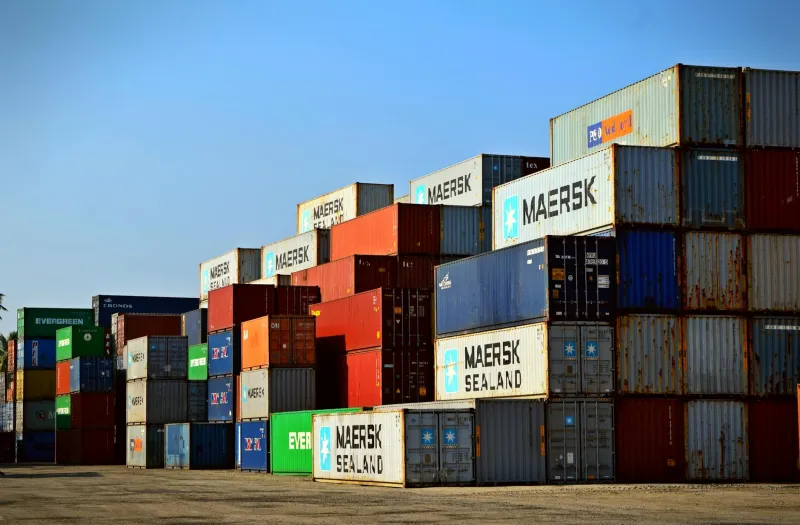
The Unexpected Brexit Dividend
While politicians argue about trade deals and customs forms, a quiet revolution is happening in the wholesale world. European suppliers who once enjoyed seamless access to UK markets now find themselves wrestling with paperwork mountains and shipping delays. The result? Warehouses across the continent are bursting with surplus stock that needs shifting fast – and savvy UK small business owners are positioning themselves as the solution.
The irony is delicious. Brexit was supposed to make European trade harder, and it has. But that difficulty has created an entirely new opportunity for UK buyers willing to navigate the red tape. Continental suppliers who previously took British orders for granted are now desperate to clear their excess inventory, often at prices that would have been unthinkable three years ago.
Where the Real Bargains Hide
The biggest opportunities lie in sectors that were heavily integrated before Brexit. Fashion retailers across France and Germany are sitting on seasonal stock they couldn't shift during crucial trading periods due to customs delays. Italian furniture manufacturers have showroom samples and discontinued lines gathering dust because their traditional UK distribution channels became too complicated to maintain.
Electronics present particularly juicy prospects. Dutch and German tech distributors often find themselves with perfectly good stock that's become stranded by certification complications or delivery schedule disruptions. These items haven't lost their value – they've simply become inconvenient for their original owners.
Home and garden products offer consistent opportunities too. Scandinavian design houses and Belgian manufacturers frequently need to clear seasonal inventory that missed its UK market window due to shipping complications.
The New Middlemen Making Millions
A cottage industry of import brokers has sprung up to exploit this situation. These specialists maintain relationships with European liquidation houses and clearance specialists, then handle all the Brexit bureaucracy on behalf of UK buyers.
Take Manchester-based import specialist David Chen, who built a six-figure business sourcing French fashion overstock. "European suppliers are practically begging us to take their surplus stock off their hands," he explains. "They'd rather sell at 30p in the pound than deal with the paperwork headache of multiple small UK orders."
Similarly, Birmingham entrepreneur Sarah Mitchell turned German electronics clearance into a thriving eBay business. "I'm getting professional-grade equipment at prices that would have been impossible before Brexit," she reveals. "The suppliers just want it gone."
Navigating the Paperwork Maze
The customs documentation isn't as scary as it first appears, but it does require attention to detail. Every import needs proper classification under the UK Global Tariff system, and you'll need an EORI number for any commercial imports.
The key is understanding that most surplus stock falls under specific commodity codes that often carry reduced or zero tariff rates. Electronics components, certain textiles, and many consumer goods benefit from preferential treatment under various trade agreements.
VAT becomes your friend rather than your enemy when importing surplus stock. You can often defer the VAT payment and then claim it back as input tax if you're VAT registered – effectively giving you interest-free credit on the tax portion of your purchase.
The Documentation Dance
Successful European surplus buyers develop systems for handling the paperwork efficiently. Commercial invoices need to be detailed and accurate, with proper descriptions and values declared. Packing lists must match exactly, and any discrepancies will cause delays that could kill time-sensitive deals.
Many successful importers work with customs agents who specialise in clearance goods. These professionals understand the nuances of surplus stock documentation and can navigate potential complications before they become expensive delays.
Building Your Continental Network
The real money is in developing direct relationships with European clearance houses and liquidation specialists. Trade directories like Kompass and local chamber of commerce listings help identify potential suppliers, but personal relationships drive the best deals.
Attending European trade shows – even virtually – opens doors to surplus opportunities. Many continental suppliers are actively seeking UK partners who can handle the post-Brexit complications they want to avoid.
LinkedIn has become surprisingly effective for connecting with European liquidation specialists. Search for terms like "destockage," "liquidation," or "surplus" in French, German, or Dutch, and you'll find specialists eager to work with UK buyers.
The Categories That Convert
Fashion accessories offer outstanding margins because they're compact, travel well, and European designs often command premium prices in UK markets. Italian leather goods, French scarves, and German technical wear frequently appear in surplus channels at extraordinary discounts.
Kitchen and homeware present consistent opportunities. Scandinavian design pieces and German engineering products maintain strong UK demand, making them reliable conversion candidates when sourced through clearance channels.
Specialist tools and equipment deserve attention too. European manufacturers often have demonstration units, returned items, or discontinued models that UK tradespeople and hobbyists will snap up at the right price.
Timing Your European Raids
Seasonality drives the best surplus opportunities. European suppliers clear summer stock in September and October, creating fantastic opportunities for UK buyers planning ahead for the following year. Similarly, Christmas overstock becomes available from February onwards.
End-of-financial-year clearances vary by country, but March and December typically see increased activity as European companies clean their books.
The Brexit Bonus Bottom Line
While Brexit created complications, it also created opportunities for UK small businesses willing to embrace the new reality. European surplus stock represents a genuine competitive advantage for British buyers who master the systems and build the relationships.
The key is viewing Brexit not as a barrier but as a moat – one that keeps out casual competitors while rewarding those prepared to do the work. Continental suppliers need UK partners who can handle the complexity, and they're willing to pay in the form of exceptional wholesale prices for that service.
For UK small businesses ready to think beyond traditional domestic suppliers, European surplus channels offer a pathway to margins that seemed impossible just a few years ago. The bureaucracy might be tedious, but the profits make it worthwhile.